Core Value 1. My work demonstrates that I used a variety of social and interactive practices that involve recursive stages of exploration, discovery, conceptualization, and development.
For this I will choose my research this paper help improve and explore in everything, my knowledge in writing, my writing skills, my research skills, founding good resources for my subject it also developed my thinking skills in the point of always when getting interested in a subject have the passion. to learn more about it, also I’m proud that I reach the course goal after been working during semester on all my papers and learning more and more in each class about writing I end up showing all this work in one paper and is my research.
Core Value 2. My work demonstrates that I read critically, and that I placed texts into conversation with one another to create meaning by synthesizing ideas from various discourse communities.
For this I will choose my Elevator riddle it’ help me improving what I need from someone to know and understand a hundred percent without any conflict, and it was helpful for me especially in writing my research to be able to write in a way of making the reader understanding what I’m writing about and what I want him to understand.
Core Value 3. My work demonstrates that I rhetorically analyzed the purpose, audience, and contexts of my own writing and other texts and visual arguments.
For this I will choose my visual Rhetoric by improving me of how to turn a visual thing into a writing thing and let people understand without see it visual , it also help me in other stuff for example doing my research I was able to watch some videos and be able to turn all that information’s from the video into sentences inside my research.
Core Value 4: My work demonstrates that I have met the expectations of academic writing by locating, evaluating, and incorporating illustrations and evidence to support my own ideas and interpretations.
For this I will choose my rebuttal rewrite because in this essay I was supporting my idea and in the same rebutting my arguments it was kind of a challenge but it help me improving a lot my skills and kind of how to manage your opinion not be like with one side only against the other side you should be like in the middle , it also help me in the real life experience like when you’re debating with someone about also listen and respect their ideas because what they said and what I said can be right or wrong in the same time.
Core Value 5. My work demonstrates that I respect my ethical responsibility to represent complex ideas fairly and to the sources of my information with appropriate citation.
For this I will choose my Casual argument because I did work hard and been Specified for making each point with his sources and his citation I will say that this work I did for this assignment help me improving my research skills in general because it was kind of a challenge first to make sure that all your information’s provided have a cited source, also on the other hand it also help me improving the way to found information’s on the internet and we all know that the internet can provide you with any information when you type it , but also you should go more deep in you’re searching so you can found better in formations and sources.
Types of Aggression present through gaming individuals
In video games, aggression can come in many forms. Yet, most people do not truly know what it’s like for aggression to carry between real life and gaming. I find it easy to distinguish between fictional and the real life we live in. Rises in aggression and the lack of distinction between the two worlds that some people exhibit have been a major worry for people all around the world, especially politicians and doctors. The “harmful” video games that have come out in years past are believed to be the root cause of many aggressive actions and mindsets, but they are not the sole reason for these actions.
Whenever a tragedy linked to video games happens, the term “offline aggression” often comes to mind. This phrase, in my opinion, carries different connotations depending on who hears it. For the average person who isn’t versed in the ways of psychology, ultra-violent games seem like the most aggravating method for “offline aggression.” However, in a study by Elias Aboujadou and Vladan Starcevic, published in Mental Health in the Digital Age: Grave Dangers, Great Promise they state, “the findings of this study suggest that there is little or no difference between the effects of lower level and higher level aggressive media content.” Immediately it sets a precedent for these researchers as they have established the lack of differentiation in how people are affected by thresholds of violence. This can then feed into the “offline aggression” and how different levels of aggression can be difficult to separate based on severity.
An act of aggression committed in the real world qualifies as “offline aggression.” These acts of aggression can vary in their severity as distinguished in Aboujadou’s study. The catastrophic and monumental acts of “offline aggression” are what people majorly focus on through media exposure. While the minor upticks in aggressive behavior do matter, it is the major ones that get media focus. The lack of focus on minor acts of aggression committed by gamers is not that bad, as not every type of aggression can be categorized as negative. A categorical organization of these events, actions, and consequences could be quite helpful in helping the general populace understand what truly happens during the aggressive tendencies that people exhibit.
In the article, Blazing Angels or Resident Evil? Can Violent Video Games Be a Force for Good? By Christopher J. Ferguson, aggression is defined even further: “Aggression can thus be distinguished from aggressive play in which two or more consenting individuals are wrestling, playing war, and so forth, but mutually enjoy the activity.” Defining aggression in this way narrows down how we can classify “offline aggression” even further as now we can show how actions and their consequences have different effects. Consent is an important component of any action and whether or not all parties consent) is an important distinction. Calling simple roughhousing “offline aggression” is not accurate you have to take the bull by the horns in this situation and focus on the maliciousness of the act. This rough-and-tumble mindset that people have toward the aggressive actions taken by others is at times concerning, as many “offline” and “online” aggressions have very harmful consequences to the people around them.
“Online Aggression” is the direct opposite of “Offline Aggression,” while offline aggression focuses on the actions taken in the physical world, and “Online aggression” is the actions taken in the virtual world. The “online aggressions” taken are far more prevalent and easier to find as many games are labeled by the ESRB as being violent in some shape or form, even games like Tony Hawk’s Pro Skater are labeled as being violent even though it is a franchise of sport games and the most violent actions being taken are the results of missteps and falls. These types of violent actions do not truly contribute to the two different forms of aggression as one is not taking some sort of nonconsensual action against another and falls more under the self-harm category. Even then that is not truly accurate, since being injured during a sport is something considered more of an accident in general.
In “online aggression” consent is a much trickier matter in online games it can be argued that in Player versus Player combat, all people do have some sort of consent by participating in the games and modes that have these options. Some multiplayer games, however, have functions of play where one can launch surprise attacks on unsuspecting victims making consent a gray area.
More often than not, single player games are story driven adventures that take the player along some sort of recreation of the hero’s journey. Sandbox games are a hybrid of both single player and multiplayer modes, as they can be played either alone or with friends. These genres are a little trickier to classify in terms of “online aggression” as the term has been previously defined as non consensual acts of violence. Certain types of multiplayer modes have automatic informed consent due to the nature of play. On the other hand, this is not always true as in games like Minecraft where players are given free reign to do whatever they want in either single or multiplayer. One could play the game alone as a farmer and occasionally butcher farm animals for food and fend off the occasional monster attacks or they could destroy the homes of the local NPC (Non-Playable Character) populace. Or even play with a friend and plan to conquer the challenges of the world together, but there is still the chance of a Cain and Abel level of aggression happening.
Video games are a major concern for people all around the world, from politicians to parents, but this should not be the case whatsoever. While aggression is sometimes given from the games that people play, the increases in “offline aggression” are often minuscule. Both forms of aggression; “online” and “offline” have similar definitions, an aggressive action taken towards something in a nonconsensual manner. The slippery slope of the multifaceted nature of “online aggression” does muddle the affair just a little bit, but the definition is still easily definable.
People with poor mental health often gravitate to things that they find to relieve stress, with these coping mechanisms often being unhealthy crutches. Researchers Yemaya Halbrook, Aisling O’Donnell, and Rachel Msetfi discuss the positive findings that video games have in their study When and How Video Games Can Be Good: A Review of the Positive Effects of Video Games on Well-Being, and they make the connection that different factors of play have various effects on mental well being. This means that those who play for fun and entertainment have a greater possibility of having a healthier mindset versus those who play for obsession or accolades. As stated in the study, “‘In addition, the motivations behind gameplay are an important factor in the effects of gaming on well-being, such as playing for enjoyment purposes rather than playing for achievement or obsession.’” There is a fine line between playing for sport and obsession. “For sport” implies that one only indulges periodically, while obsession implies that one continuously and obsessively barrels through the hobby. Moderation is the key feature of having a healthy relationship with anything not just video games.
The study The Impact of Video Games on the Players Behaviors: A Survey by researchers Muhannad Quwaider, Abdullah Alabed, and Rehab Duwairi delves into the cause and effect nature that video games have on players in terms of aggression and other mental disabilities. The answer “that comes through playing a specific video game varies from player to player depending on how the content of the video game is displayed and interpreted to the player’s mind.” Content in video games varies wildly, and some people are affected by levels of aggression in games at intervals, especially those with fragile mindsets. It is not much of a stretch to assume that people who play aggressive games might cause some violence, but it is not the violent games that cause aggression. It is the aggressive nature of the person. Personality plays a huge factor in how people are affected by outside stimuli (video games). Meaning that those with compromised mental states are affected more by the games that they engage in. Quwaider and his fellow researchers state: “The personality of the player or any other person has a strong influence on how they think and behave under a certain condition.” Effectively, the statement shows that those with aggressive tendencies are affected by the video games that they play, and it can further the fact that those who are mentally unstable will do horrific acts.
Another study I would like to highlight is titled Gaming Your Mental Health: A Narrative Review on Mitigating Symptoms of Depression and Anxiety Using Commercial Video Games by Magdelena Kowai, Eoin Conroy, and four other contributors. In Gaming Your Mental Health, the therapeutic properties of certain games are researched and expanded upon. Kowai and the others discuss how particular genres can be great for helping ease depression, specifically multiplayer role playing games (RPGs). The researchers of Gaming Your Mental Health state, “An array of research alludes to the possible benefits of RPGs for individuals with depression,” as these multiplayer games are great ways to meet and interact with others in a sporty fashion. Whether it be through a sort of online e-commerce or even competition, there are clear benefits. Healthy people have healthy interactions, whereas depressed individuals are violent not due to their mental state but due to other preexisting types of disorders or illnesses.
Another study I would like to bring to light is called Understanding the Lives of Problem Gamers: The Meaning, Purpose, and Influences of Video Gaming by Jing Shi, Rebecca Renwick, Nigel Turner, and Bonnie Kirsh. The negative repercussions of using video games as a coping mechanism, highlighted in the study, are what I would like to talk about in particular. Utilizing video games as one’s only coping mechanism is not a healthy process, especially when one already has present issues. Shi and the other researchers state, “Participants acknowledged that using games as a coping method only offered temporary relief from their negative emotions and did not address the problems they were facing.” If a mentally unsound mind uses video games as the sole coping mechanism, then there will only be an exacerbation of issues, potentially leading to aggressive and violent actions. Shi and Co. then go on to explain how problems with gaming can cause a variety of psychological issues. In the text Understanding the Loves of Problem Gamers, Problem gaming was defined as “persistent and recurrent involvement in video gaming that results in psychological distress and functional impairment.” Unhealthy play can cause an exponential increase in distress and further leads to my finding that people with a high propensity towards mental issues are influenced negatively by play and the external stimuli that they receive.
Ultimately, video games are a great way to spend time and interact with a wide variety of people around the world. The facilitation of these interactions has been through decades of online social culture and interaction, and the vast culture of each game world can be very different. No matter the background, people can and will have fun just by playing. However, this is not always a good thing, as those with mental issues can be negatively affected by the violence in the media that they consume. In all four studies, the reader can see a clear correlation between mental health and the consumerism of different video games. However, a correlation does not necessarily mean causation. Games are something that usually gets negative press in the news due to the interactive aspect that they possess. Aggressive and violent tendencies are something functioning members of society do not pick up from video games. Those very few people with abnormal mental facilities are the ones who ever so rarely commit horrendous atrocities. Video games may exacerbate a person’s preexisting abnormal mental state, but even then, it is rare that video games are the sole reason for aggression.
A huge wave of studies about how people are affected by video game aggression have been conducted over the past two decades. Researchers often still debate over what kind of video games have caused a rise in aggressive tendencies, and violent incidents, and whether or not aggressive patterns have been recently shown in the subjects or whether there’s an underlying cause to “online” and “offline” aggression. Researchers’ consensus has shown that video games only amplify negative emotions in players with already present mental and behavioral issues. Unlike what many researchers claim, video games are not the root cause of the perceived increase in aggressive actions, rather than already present mental disorders as well as factors of life that are the true culprits to the player base. When studying the effects of video games on aggression, specific criteria must be met for the study to be a fair assessment of how people are affected.
In the published study, Consequences of Play: A Systematic Review of the Effects of Online Gaming by Victoria Anne Sublette and Barbara Mullan, it is stated “However, more common physical and psychosocial effects attributed to online video gaming are social isolation, increased aggression, and negative academic and occupational consequences,” the aforementioned quote is simply multiple simple generalizations made by the researchers in their attempts to prove games as being harmful towards their player base. In the same study, it is later on stated by Sublette and Mullan that, “A study by Eastin and Griffiths found that hostile expectation ratings were highest in virtual reality (VR) games, although actual aggressive thoughts, feelings, and behavior were not affected by the type of game played; while an earlier study found no significant correlations between playing violent video games and levels of aggression,” the blatant contradiction in the study mentioned above statement and summarization of earlier studies in combination with their shows that there have been no correlations towards violent games and aggressive behavior, going directly against the common belief that video games are the progenitor of many forms of offline aggression.
Many more Researchers agree as M. Delisi, M. Vaughn, and J Shock said in their research paper, Violent Video Games, Delinquency, and Youth Violence: New Evidence, they claim that, “The present study was designed to respond to these needs using a multifactorial risk factor approach focused on more serious violent delinquent behaviors among a correctional sample of serious male and female institutionalized delinquents,” with this new found study that focuses on only the institutionalized it neglects the major population who don’t necessarily have a known issue already present. In the researchers’ attempt to prove the hypothesis correct that video games cause offline aggression and violent tendencies in their player base, they use those known to have aggressive tendencies. This pigeonhole makes it seem as if the study was set up to fail as studying the effects of media on aggressive behavior in those who have been placed in prison is a counterproductive assessment, it is safe to assume that those who are incarcerated also have a higher likely hood of being more aggressive than the average person.
The study Does Playing Violent Video Games Induce Aggression? Empirical Evidence of a Functional Magnetic Resonance Imaging Study, by Weber, Rittenfield, and Mathiak a scientific study was done on a group of gamers and their brain’s reactions towards the stimuli received from the games they are playing. A quote contained in the study is, “which allowed for distinguishing between actions involving virtual violence and actions in which virtual violence was absent.” This quote indicates that the study itself used a specific game for studying both aggressive and non aggressive behaviors using one game to see the differences in brain activity between the “phases of play.” To see the full range that the brain can reach different types of games should be played to tell how the brain interprets the stimuli and potentially processes aggressive tendencies or lack thereof from different genres such as puzzle games like Tetris or open-world games like Grand Theft Auto. How these games affect people is very different as the absolute lack of violence in certain games can help provide a baseline control group for comparison to the violent games.
Grand Theft Auto is a major part of violent games that create violent people. In the research study, Violent Video Games and Real-World Violence: Rhetoric versus Data, written by Charlotte and Patrick Markey, and others the violent actions often associated with games like Call of Duty and multiple entries in the Grand Theft Auto series are brought up in their study in aggressive and violent actions being caused by games is brought up. Men like the Buckner brothers, Devin Moore, and more have connections to these games because their crimes occurred when these games were released. These crimes all surrounded homicides, rapes, and robberies. This study goes into how the releases of these games have affected the minds of the men who committed multiple violent acts. This, however, has been proven to be messy, and according to C. Ferguson in his article Blazing Angels or Resident Evil? Can Violent Video Games be a Force for Good? he states “Put simply, this issue notes that both public and scientific concern, refers to violent video game effects as “somewhat alarming” is not matched by violent crime data, which for both adults and youth has plummeted at the same time as video games have increased in popularity.” The large decline in violent crime data does not account for the almost exponential decrease in violent crimes among young men as these games increase in popularity. The disparity between these studies and research depends entirely on who and how the study is processed. It also depends on who the studies follow as that can skew the results to a degree but generally, most studies now find that while some rises in aggression can be detected it is entirely negligible.
References
DeLisi M, Vaughn MG, Gentile DA, Anderson CA, Shook JJ. Violent Video Games, Delinquency, and Youth Violence: New Evidence. Youth Violence and Juvenile Justice. 2013;11(2):132-142. doi:10.1177/1541204012460874
Halbrook, Y. J., O’Donnell, A. T., & Msetfi, R. M. (2019). When and How Video Games Can Be Good: A Review of the Positive Effects of Video Games on Well-Being. Perspectives on Psychological Science, 14(6), 1096-1104. https://doi-org.ezproxy.rowan.edu/10.1177/1745691619863807
Jing Shi, Rebecca Renwick, Nigel E. Turner, Bonnie Kirsh, Understanding the lives of problem gamers: The meaning, purpose, and influences of video gaming, Computers in Human Behavior, Volume 97, 2019, Pages 291-303, ISSN 0747-5632, https://doi.org/10.1016/j.chb.2019.03.023.
Kowal M, Conroy E, Ramsbottom N, Smithies T, Toth A, Campbell M. Gaming Your Mental Health: A Narrative Review on Mitigating Symptoms of Depression and Anxiety Using Commercial Video Games, https://games.jmir.org/2021/2/e26575.
Markey, P. M., Markey, C. N., & French, J. E. (2015). Violent video games and real-world violence: Rhetoric versus data. Psychology of Popular Media Culture., 4(4), 277-295. doi:https://doi.org/10.1037/ppm0000030
Muhannad Quwaider, Abdullah Alabed, Rehab Duwairi, The Impact of Video Games on the Players Behaviors: A Survey, Procedia Computer Science, Volume 151, 2019, Pages 575-582, ISSN 1877-0509, https://doi.org/10.1016/j.procs.2019.04.077.
Rene Weber, Ute Ritterfeld & Klaus Mathiak (2006) Does Playing Violent Video Games Induce Aggression? Empirical Evidence of a Functional Magnetic Resonance Imaging Study, Media Psychology, 8:1, 39-60, DOI: 10.1207/S1532785XMEP0801_4
Sublette, V.A., Mullan, B. Consequences of Play: A Systematic Review of the Effects of Online Gaming. Int J Ment Health Addiction 10, 3–23 (2012). https://doi.org/10.1007/s11469-010-9304-3
Core Value 1. My work demonstrates that I used a variety of social and interactive practices that involve recursive stages of exploration, discovery, conceptualization, and development.
The best example of my work that demonstrates this core value would be my Visual Rhetoric assignment. This assignment required me to describe what was being shown in an advertisement through words alone. Both the visual and rhetorical aspects of the ad were to be described, which is where this assignment best fits this core value. By taking what I saw on the screen, I was able to conceptualize the purpose of what was being shown, and developing it into the rhetorical aspect of it, which explained why a specific thing was being shown.
Core Value 2. My work demonstrates that I read critically, and that I placed texts into conversation with one another to create meaning by synthesizing ideas from various discourse communities.
The best example of core value would be my Definition Argument. This essay required me to define a concept in order to make a larger argument. Because this is such a tall task, a had to use multiple sources in tandem with each other to properly make my argument. I used different sources with different ideas together to developed my larger argument. By using them together, I was putting them in conversation with each other which is what the core value asked of me.
Core Value 3. My work demonstrates that I rhetorically analyzed the purpose, audience, and contexts of my own writing and other texts and visual arguments.
One thing that I always consider when writing is my audience and my purpose. Whenever I find myself stuck on what to write next, I always like to take a step back and remember why I’m writing, and who for. This allows me to stay on topic, and deliver the exact piece of writing that my audience is expecting. None of my work demonstrates this better than my Elevator Riddle assignment. This was a unique assignment, where I was tasked with giving directions to an elevator on how to operate. This differed a lot from the summaries and research papers that were more common in this class, so being mindful of different type of audience was important to ensure this assignment was completed correctly. I was tempted to use language like, “For example…”, but I refrained because I considered both the purpose and audience of this piece, and giving these specific examples is not what the audience would have needed. This was more of a creative writing piece, so I had to change the way I wrote previously to fit the parameters of what was asked, and I believe I did this very well.
Core Value 4: My work demonstrates that I have met the expectations of academic writing by locating, evaluating, and incorporating illustrations and evidence to support my own ideas and interpretations.
The best example of my writing where I use evidence to support my own ideas would easily be my Rebuttal Argument. For the other two portions of the research paper, the evidence that I found is used to explain why I hold a specific viewpoint. The evidence is used well to support my ideas, but in the rebuttal argument, there is a whole other layer. In the rebuttal, I am using my evidence to argue against an opposing viewpoint. The evidence I used in this essay is more specific compared to the sources from the other two, and is being used to show why the opposing viewpoint is wrong. It’s easy to agree with another argument when the opposing viewpoint is not present, so the fact that these sources were directly compared to another work demonstrates the extra scrutiny that these sources may be under.
Core Value 5. My work demonstrates that I respect my ethical responsibility to represent complex ideas fairly and to the sources of my information with appropriate citation.
The best example of my work that demonstrates proper citations would obviously be my Proposal +5 assignment. This is a fairly basic example of how I treat citations but it does do a great job of showing how I represent their ideas in my own writing. The reason why this assignment was chosen instead of the references section of one of the short arguments is that it shows what I actually planned to do with those sources in real time. This shows how I represented those sources fairly in my work, which is part of the core value.
PTSD is something we all hope to never experience in our lives. But for the people who do experience the pain and suffering that comes with it how do they cope? Medications is probably the first answer anyone has to reduce symptoms of any illness, these medications consists of pills that affect mood and energy levels and even pills to help with sleep and anxiety. PTSD veterans may take up to 4 different pills just to get them through their day and this pill consumption can lead to another bad thing to add onto the PTSD, and that’s addiction.
Pills and medications aren’t always the best way to treat everything, especially PTSD as many veterans get addicted to the pills and later on turn to hard drugs to help self medicate. To stop this addiction and PSTD symptoms service dogs are something that has been suggested to many patients with PTSD as it helps them lower their symptoms and lower their medication use. The specially trained dogs help veterans cope with PTSD same as any medication or pill in the world. Service dogs are already one point better as once you get the dog you don’t have to keep paying for it as you do with pills, which is why many PTSD vets turn to drugs as they are cheaper then the medication they get and easier to purchase. National Library of Medicine completed a research study on how service dogs affect military veterans medicine regime. They took a group of veterans that currently have service dogs and veterans that are on the waitlist for service dogs and examined them day to day on how they change their medication usage and regime. It was said that most veterans with service dogs decreased their medication usage or removed some medicines from their regime. Many vets on the waitlist had no changes to their medication and some even added a medication while owners of a service dog had 30 members out of 67 remove a medication and another 25 decrease the dose of their medication. Kerri Rodriguez, one of the people who helped create the study, says “Many individuals with PTSD who respond to evidence-based treatments in the short-term do not reach stable remission over time” showing how medicines may not be the best choice for PTSD symptoms. Rodriguez always stated that “In addition, common comorbid conditions such as depression, anxiety, traumatic brain injury, or substance use disorder can make treatment for military veteran with PTSD more difficult”.
Table 1.
Descriptives statistics and group-level analyses on responses to the question “Since getting a service dog/getting on the waitlist, has your doctor made any changes to your medications? Select all that apply.”
Waitlist (n = 62)
Service dog (n = 67)
Group difference
n (%)
n (%)
χ2
p
No changes
31 (50%)
19 (28%)
6.354
0.012
Increased dose
22 (36%)
11 (16%)
6.149
0.013
Added a medication
17 (27%)
19 (28%)
0.014
0.905
Decreased dose
1 (2%)
25 (37%)
25.503
< 0.001
Removed a medication
7 (11%)
30 (45%)
17.652
< 0.001
Medication has its benefits but it also has it downsides, and in this case lots of downsides. Most PTSD vets are given a handful of medications which mainly derive from antidepressants, which are known to have plenty of side effects. Some known side effects of these medications are suicidal feelings, decreased alertness, sexual problems, and much more. Addiction is obviously another huge problem with PTSD medication as it is very hard to get off the pills and to stop taking them especially if you have been taking the medications for a long time it will be even harder to stay away from them. Service dogs offer a much more hopeful road to recovery from the symptoms of PTSD. Service dogs help create a bond between man and animal and that bond becomes unbreakable and helps to destroy that feeling of helplessness and loneliness that comes from PTSD.
More and more places are offering a program to sign up for which will help you get a specially trained service dog for PSTD patients. K9’s for Warriors is one of the biggest programs in America for helping locate and find the right dog for all veterans in need of a dog to help them. K9’s for Warriors specifically chose to train shelter dogs as they are also going through a trauma and this can help make the bond between a PTSD vet and shelter/service dog even greater. When both companions are in pain and traumatized they can work together to better themselves and in this situation the dog and the veteran can help each other with each of their symptoms and benefit being around each other.
Rethinking the NYC Rat Problem: A Comprehensive Exploration of Monetization Strategies and Public Health Considerations
The rat infestation issue is a recurring issue that marrs the iconic New York City skyline, which is associated with urbanization and progress. As we undertake a thorough analysis of this complex topic, we hope to address a difficult concept: monetizing the rat problem. According to this viewpoint, new perspectives on the problem can lead to innovative solutions, improved urban living conditions, and economic opportunities. However, in order to properly comprehend the complexities involved, we must anticipate and answer the most serious objections to this concept. Rejecting the idea of profiting from the rat problem, one could argue that putting money first diverts attention away from the genuine issue. the public health risks and irritation that occur from rat infestations. Opponents may contend that prioritizing economic factors over other factors lessens the urgency of putting in place efficient waste management and pest control techniques. This argues that putting business ahead of public health is a bad way to deal with the rat problem. Johnson’s (2019) research highlights the public health dangers linked with rat-borne diseases. Contamination of food supplies, disease transfer to humans, and the presence of urine and feces all pose serious health problems, emphasizing the need for immediate action. The implementation of strong waste management systems is a prerequisite for successful monetization. Critics correctly point out that ignoring this component may compound the problem, as rat expansion is frequently associated with poor waste disposal procedures.
Opponents may argue that profiting from a public health risk poses ethical concerns. Addressing this issue necessitates a dedication to ethical corporate practices, openness, and a focus on solutions that benefit both enterprises and the community, while ensuring that profit does not compromise ethical standards. Monetization attempts should not come at the expense of coordinated rat-control initiatives. Critics emphasize the need for collaboration among enterprises, local governments, and community members, arguing that economic rewards should be aligned with broader pest management programs for long-term success. A strong reply would highlight the importance of adding novel pest control tactics into any monetization plan. Neglecting this issue may result in short-term economic gains but will increase the rat problem in the long run, necessitating an active commitment to pest control technology advancement. According to Smith (2018), the city’s output of organic waste provides a significant food supply for rats. Rats find food everywhere in the city, from public trash cans to residential areas, indicating a critical link between waste management and rat development. Opponents may cite worries about the environmental impact of future monetization tactics when disputing the concept. To address this criterion, a focus on ecologically friendly practices is required, ensuring that economic pursuits contribute favorably to the overall ecological health of the metropolitan environment. A critical concern is the construction of a strong legal framework to regulate any monetization efforts. Critics claim that there is a risk of exploitation and potential harm to both human health and the environment in the absence of clear regulations and norms. Critics may challenge monetization’s long-term viability, raising questions about the sustainability of economic prospects. To address this, proponents must provide evidence of long-term benefits and sustainable improvements in both economic situations and public health. Opponents may contend that public perception is critical to the success or failure of monetization techniques. This demands a detailed grasp of public mood as well as proactive measures to resolve any concerns or misgivings about business enterprises including rat control.
Cultural sensitivity may be emphasized by critics while developing monetization tactics. They say that programs should be culturally inclusive, taking into account New York City’s wide demographic composition to ensure that proposed solutions resonate with different communities. To address concerns regarding disinformation or disregard of health-related factors, a vigorous educational campaign is required. Critics may argue that alerting the public about the dual emphasis on economic advantages and health outcomes is vital to encouraging residents to make educated decisions. Smith’s (2018) research underlines the importance of New York City’s complex urban infrastructure in offering suitable nesting locations for rats. Subway tunnels, sewers, and abandoned buildings become refuge, adding to the difficulty of identifying and removing rat populations. Some may dispute if the economic benefits of monetization are inclusive and available to all members of the community. Advocates must address this problem by ensuring that economic opportunities are spread equitably so that a diverse range of residents benefit. Rat-infested populations endure greater tension, worry, and irritation, similar to the psychological consequences reported in retired football players (Garcia 2017). The continual presence of rats in public places and residences causes anxiety, hurting residents’ mental health.
Some may argue that economic advantages should be directed on improving healthcare infrastructure in order to address and reduce the health hazards associated with rat infestations. This necessitates advocates considering the larger health effects and advocating for targeted funding. Opponents may argue that any monetization plan should prioritize preventive over reactionary actions. Addressing this issue entails laying out specific preventive measures that will be incorporated into the broader strategy to combat rat infestations. Critics may emphasize the importance of government responsibility in overseeing and regulating monetization activities. This entails ensuring that government entities actively monitor, evaluate, and change strategies to avoid potential hazards. Before implementing any monetization tactics, proponents must realize the importance of performing a complete social impact evaluation. This entails comprehending the potential ramifications for various social groups and mitigating any negative effects. According to Smith (2018), the city’s output of organic waste provides a significant food supply for rats. Rats find food everywhere in the city, from public trash cans to residential areas, indicating a critical link between waste management and rat development.
Finally, a nuanced understanding of New York City’s rat problem demands considering the strongest counterarguments to the concept of commercialization. Proponents can make a more thorough and powerful argument by integrating qualifiers pertaining to public health, waste management, ethical issues, community participation, pest control innovation, and several other factors. This approach recognizes the issue’s intricacies while arguing for a balanced strategy that merges economic prospects with a firm commitment to public health and community well-being.
References
(“Rat Population Dynamics in Urban Environments” (Smith, J., Urban Ecology Journal, 2018): This source offers scientific insights into rat population dynamics. It provides valuable data to quantify the rat population in different neighborhoods, helping substantiate our research findings.
Diseases Spread by Urban Rats: A Comprehensive Study” (Johnson, L., et al., Environmental Health Perspectives, 2019): This study delves deep into diseases transmitted by rats, providing statistical evidence of health risks. It strengthens our argument regarding the urgency of addressing the rat problem to safeguard public health.
Effectiveness of NYC Pest Management Programs: A Critical Review” (Department of Health and Mental Hygiene, 2020): Our study’s findings are validated by an official evaluation of the city’s pest management initiatives. It acts as a standard against which we can assess our present tactics and provide suggestions for advancements.
“Voices from the Streets: Community Perspectives on Rat Infestations” (Garcia, M., et al., Urban Health Journal, 2017): This qualitative study captures the experiences and challenges faced by residents. It enriches our research by providing real-life narratives, making our findings more relatable and compelling.
“Towards Sustainable Urban Pest Management: Best Practices and Case Studies” (Patel, R., et al., Environmental Sustainability Journal, 2021): This source explores sustainable pest management practices, offering innovative solutions. It inspires our recommendations, enabling us to propose eco-friendly approaches to rat control.)
Rethinking the NYC Rat Problem: A Comprehensive Exploration of Monetization Strategies and Public Health Considerations
The rat infestation issue is a recurring issue that marrs the iconic New York City skyline, which is associated with urbanization and progress. As we undertake a thorough analysis of this complex topic, we hope to address a difficult concept: monetizing the rat problem. According to this viewpoint, new perspectives on the problem can lead to innovative solutions, improved urban living conditions, and economic opportunities. However, in order to properly comprehend the complexities involved, we must anticipate and answer the most serious objections to this concept. Rejecting the idea of profiting from the rat problem, one could argue that putting money first diverts attention away from the genuine issue. the public health risks and irritation that occur from rat infestations. Opponents may contend that prioritizing economic factors over other factors lessens the urgency of putting in place efficient waste management and pest control techniques. This argues that putting business ahead of public health is a bad way to deal with the rat problem. Johnson’s (2019) research highlights the public health dangers linked with rat-borne diseases. Contamination of food supplies, disease transfer to humans, and the presence of urine and feces all pose serious health problems, emphasizing the need for immediate action. The implementation of strong waste management systems is a prerequisite for successful monetization. Critics correctly point out that ignoring this component may compound the problem, as rat expansion is frequently associated with poor waste disposal procedures.
Opponents may argue that profiting from a public health risk poses ethical concerns. Addressing this issue necessitates a dedication to ethical corporate practices, openness, and a focus on solutions that benefit both enterprises and the community, while ensuring that profit does not compromise ethical standards. Monetization attempts should not come at the expense of coordinated rat-control initiatives. Critics emphasize the need for collaboration among enterprises, local governments, and community members, arguing that economic rewards should be aligned with broader pest management programs for long-term success. A strong reply would highlight the importance of adding novel pest control tactics into any monetization plan. Neglecting this issue may result in short-term economic gains but will increase the rat problem in the long run, necessitating an active commitment to pest control technology advancement. According to Smith (2018), the city’s output of organic waste provides a significant food supply for rats. Rats find food everywhere in the city, from public trash cans to residential areas, indicating a critical link between waste management and rat development. Opponents may cite worries about the environmental impact of future monetization tactics when disputing the concept. To address this criterion, a focus on ecologically friendly practices is required, ensuring that economic pursuits contribute favorably to the overall ecological health of the metropolitan environment. A critical concern is the construction of a strong legal framework to regulate any monetization efforts. Critics claim that there is a risk of exploitation and potential harm to both human health and the environment in the absence of clear regulations and norms. Critics may challenge monetization’s long-term viability, raising questions about the sustainability of economic prospects. To address this, proponents must provide evidence of long-term benefits and sustainable improvements in both economic situations and public health. Opponents may contend that public perception is critical to the success or failure of monetization techniques. This demands a detailed grasp of public mood as well as proactive measures to resolve any concerns or misgivings about business enterprises including rat control.
Cultural sensitivity may be emphasized by critics while developing monetization tactics. They say that programs should be culturally inclusive, taking into account New York City’s wide demographic composition to ensure that proposed solutions resonate with different communities. To address concerns regarding disinformation or disregard of health-related factors, a vigorous educational campaign is required. Critics may argue that alerting the public about the dual emphasis on economic advantages and health outcomes is vital to encouraging residents to make educated decisions. Smith’s (2018) research underlines the importance of New York City’s complex urban infrastructure in offering suitable nesting locations for rats. Subway tunnels, sewers, and abandoned buildings become refuge, adding to the difficulty of identifying and removing rat populations. Some may dispute if the economic benefits of monetization are inclusive and available to all members of the community. Advocates must address this problem by ensuring that economic opportunities are spread equitably so that a diverse range of residents benefit. Rat-infested populations endure greater tension, worry, and irritation, similar to the psychological consequences reported in retired football players (Garcia 2017). The continual presence of rats in public places and residences causes anxiety, hurting residents’ mental health.
Some may argue that economic advantages should be directed on improving healthcare infrastructure in order to address and reduce the health hazards associated with rat infestations. This necessitates advocates considering the larger health effects and advocating for targeted funding. Opponents may argue that any monetization plan should prioritize preventive over reactionary actions. Addressing this issue entails laying out specific preventive measures that will be incorporated into the broader strategy to combat rat infestations. Critics may emphasize the importance of government responsibility in overseeing and regulating monetization activities. This entails ensuring that government entities actively monitor, evaluate, and change strategies to avoid potential hazards. Before implementing any monetization tactics, proponents must realize the importance of performing a complete social impact evaluation. This entails comprehending the potential ramifications for various social groups and mitigating any negative effects. According to Smith (2018), the city’s output of organic waste provides a significant food supply for rats. Rats find food everywhere in the city, from public trash cans to residential areas, indicating a critical link between waste management and rat development.
Finally, a nuanced understanding of New York City’s rat problem demands considering the strongest counterarguments to the concept of commercialization. Proponents can make a more thorough and powerful argument by integrating qualifiers pertaining to public health, waste management, ethical issues, community participation, pest control innovation, and several other factors. This approach recognizes the issue’s intricacies while arguing for a balanced strategy that merges economic prospects with a firm commitment to public health and community well-being.
References
(“Rat Population Dynamics in Urban Environments” (Smith, J., Urban Ecology Journal, 2018): This source offers scientific insights into rat population dynamics. It provides valuable data to quantify the rat population in different neighborhoods, helping substantiate our research findings.
Diseases Spread by Urban Rats: A Comprehensive Study” (Johnson, L., et al., Environmental Health Perspectives, 2019): This study delves deep into diseases transmitted by rats, providing statistical evidence of health risks. It strengthens our argument regarding the urgency of addressing the rat problem to safeguard public health.
Effectiveness of NYC Pest Management Programs: A Critical Review” (Department of Health and Mental Hygiene, 2020): Our study’s findings are validated by an official evaluation of the city’s pest management initiatives. It acts as a standard against which we can assess our present tactics and provide suggestions for advancements.
“Voices from the Streets: Community Perspectives on Rat Infestations” (Garcia, M., et al., Urban Health Journal, 2017): This qualitative study captures the experiences and challenges faced by residents. It enriches our research by providing real-life narratives, making our findings more relatable and compelling.
“Towards Sustainable Urban Pest Management: Best Practices and Case Studies” (Patel, R., et al., Environmental Sustainability Journal, 2021): This source explores sustainable pest management practices, offering innovative solutions. It inspires our recommendations, enabling us to propose eco-friendly approaches to rat control.)
On an island in Micronesia you will find massive stone structures with an interesting purpose. The stone used for these structures is mined from a nearby island. These structures can weigh up to 4 tons and are used as currency on Yap. The size of the Fei or Rai seems counterintuitive but it points out a very interesting observation in advanced economic systems today.
When you have a coin that big you run into the issue of transferring funds. In the event you have to spend it, which historically has been for major purchases like buying a captured warrior, it is extremely difficult to move. So the people of Yap do not move them. Instead they all just agree, that is it. When transferring a fei you simply just agree that this large stone now belongs to another person. Their system is based solely on faith that this huge stone means something. One story told to back this up is when they were bringing back a fresh fei and a storm hit the crew. The waves tossed the stone over the boat and into the ocean, never to be seen again. You would think that this would render the coin useless and when the crew returned they would be scolded. But no, when the crew returned to the island they were told that it was fine. Even under the ocean where no one can see it the coin still held value.
Many people compare this to advanced economic systems, in this digital world when we transfer money all we see are numbers on a screen. Our economy, like Yaps, is based on faith that our symbols hold value. Confidence in our systems is the only thing that keeps them up and floating. Brazil went through economic failure after economic failure until a system people referred to as “fake money” came in and saved the day. It instilled faith into the people by convincing them that their money was not being affected by inflation. This crazy plan worked because it made the people of Brazil believe that their economy was stable.
We tend to think that since we are a big technologically advanced country our systems reflect that. When it’s down to brass tacks our systems are still abstract and aren’t as advanced as we think they are. There are so many similarities between fei and our money that we overlook in order to preserve some sort of superiority over other societies. All economic systems require that the people believe in them no matter how much we try to cover it up with science and ignoring the basic need to have strong faith in your money takes away from celebrating the success of our country.
The people of Yap take massive amounts of disrespect when a fei is vandalized. Today in our society we see drawings, phone numbers, notes and even inappropriate doodles on presidents. Where is our pride? We don’t hold our money to any amount of true value. The people of Yap would freak out if they saw what we did to our money.
We try to remain above but in that we take away our right to be prideful in the systems we have. Which is extremely counterintuitive, I feel like we disrespect our money but then try to say how advanced we are compared to other societies. Instead of appreciating the people of Yap’s dedication to their currency we talk about how we are more advanced than them. Their system is just as valid as our.
Driver training in the United States is inadequate and inconsistent. It is often too short and focuses on a narrow range of skills, resulting in drivers who are not fully prepared to navigate the roads safely. To address these issues, I propose implementing an Enhanced Driver Education program that would provide novice drivers with comprehensive instruction in several key areas before they begin driving on public roads. This program would effectively address the shortcomings of current driver education and produce safer and more competent drivers.
Anti-Distraction Training: This style of training should assist in reducing accidents and hazards on the road. Most accidents are caused by distracted drivers. Distracted driving occurs when the Driver’s attention shifts to something other than the operation of the vehicle in which they are driving. Distracted Driving can happen for various reasons, from texting and driving to even glancing at a cool car you saw pass by. We should incorporate an anti-distraction plan to reduce distractions. This can be done by training students to ensure any possible distractions in the car are ‘out of sight, out of mind’ and with advanced driving simulators to simulate what happens when you drive distracted and the possible outcomes. Hence, they are less likely to attempt it.
Driving Simulators: These are highly technological driving simulation machines. They can be built from cheap or costly materials depending on how realistic they are and the level of performance you want. These machines consist of a high-performance computer, a big monitor or TV, a controller that takes the form of all necessary pieces used to operate a car (Steering wheel, Pedals, Shifter, Handbrake, etc.) and depending on how much you spend you can add either just a car seat or a racing base on hydraulics with a chair to simulate the movement of the car. Most opt out of the hydraulics to save money. These Simulators are more advanced versions of what you might see at an arcade. The simulators use special software to simulate more realistic car physics and motors in things like the steering wheel to give something called Force-Feedback for a more responsive feel. Driving Simulators could assist in teaching people to drive as they are very forgiving and allow the user to create scenarios and retry them as many times as they would like. For a lower-end setup, anyone can make one at home for under $1,500.
Road Rules Awareness: The test for Road Rules and Signs is pretty easy right now. We need to increase the difficulty of these tests and ensure we spend more time explaining road rules and signs to students. Plenty of signs are still left for students to figure out, and in a time when common sense doesn’t exist, this creates many issues and hazards. We must ensure that all students learn more than 85% of all road signs minimum to pass. The test should also be increased to at least 100 questions with a minimum passing grade of 90% (Margin of error = 10) to obtain their license. In the short term, explaining the rules needs to be more in-depth, and the tests must be more difficult.
Defensive Driving Techniques: Defensive Driving is the understanding of how to avoid situations where accidents are evident. These things include more in the simulator and in-car training to help commit special driving techniques to muscle memory. These driving techniques can consist of knowing how, when, and which way to properly and safely swerve a car in times of emergency and how to perform extraordinary turns or recover a vehicle after loss of control. This should be a standard in all driving schools.
Stick-Shift Training: A traditional automotive transmission is the Manual style. This is similar to an automatic, but instead, you must shift the gears to fit different speeds using an extra peddle added to the left and an H-Pattern Shifter made up of a certain number of gears depending on the car. With this transmission, you need to use the clutch whenever changing the gears and modulating the throttle (I would explain how to use this transmission style, but that would be a whole essay in itself). This transmission style requires the driver’s focus and critical thinking to operate correctly. Every move on the road must be thought of well in advance.
Emergency Preparedness: Techniques used for situations where the car may malfunction or when you get stuck. This should also be taught in every driver education course. In this category, you should learn what to do when your brakes fail, your throttle gets stuck, something blows up or breaks, or even situations where you may get stuck. This is a crucial part of driving as most people won’t know what to do in these situations and could end up in serious trouble; the outcomes of this are never good. You will also need to pass a ‘Freak out test’ where you will be tested on what you will do in a situation where if you freak out, you fail. In a test like this, you must remain calm to pass and survive. This could be performed in a simulation.
Essential Maintenance: Basic Maintenance is already taught in numerous other countries and is a prerequisite to obtaining a driver’s license. It should also be required here. Things like changing a tire, checking and filling fluids, essential inspections, and a few others should be taught. This could save everyone a lot of resources, time, and money. Students should also be taught what to look out for and listen for.
Basic Vehicle Understanding: Everyone should be taught the basic ideas of how things in a car work. They don’t need to be able to explain how the entire car works but the basic concept of a car so they will understand what they are doing with a deeper meaning and can understand where problems may arise. Example: “A mixture of gas and air is ignited by a spark, pushing pistons to spin a part in the engine creating power by rotation which is multiplied by the transmissions gear ratios for different speeds and then sent to the wheels by differentials and driveshafts.” or “Brakes are activated by compressing a special liquid through tubes to push a pad around a rotating disc connected to the wheels to slow the vehicle down.” (This one may be confusing to anyone who doesn’t know how a car works. But that is the point)
For my research essay I will be examining different companies’ ad campaigns about environmental sustainability efforts and if they are fabricated. Greenwashing has been around for many years, but after Covid, it has grown a substantial amount with large companies. Many companies are experiencing what researchers refer to as growing pains because consumers want to take part in an eco-friendlier society to decrease pollution and brands just cannot keep up. Brands’ quick solution is to make promises they cannot keep or just blatantly lie to keep customers coming back. We have seen this in numerous brands that include fashion, vehicles, furniture, and bottle brands. With the amount of pollutants these companies are putting into the atmosphere, it is necessary that they keep being exposed for greenwashing and consumers stop supporting them until they do.
Background: This article provides sources about companies lying by using cheaper virgin plastic with recycled plastic and advertising it as “100% recycled plastic” in order to draw in consumers from being “economically sustainable.” After Covid, the price of virgin polyethylene terephthalate (PET) has dropped significantly which is a temptation for companies to use it because of its similarities to recycle plastic. Without laboratory tests, it is hard to tell what the companies are using.
Incorporation: I used this information in my article by explaining the difference between the two plastics and emphasizes the one that is better for the environment. The information from this article supports my argument that companies lie to the public because of the growing pains they face when it comes to being environmentally sustainable. The transparency this company lacks hides their unsustainability and pollution practices from the public, but the lie being exposed shows customers that the company isn’t trustworthy anymore. Having a third-party verification system might be the solution to force companies into being truthful about what they’re using for their products.
Quotes: “In the recycling business, there are people who have benefitted from a lack of transparency for a long time,” he said. – Josse Kunst
“The high price of recycled plastic has tempted manufacturers to mix in much cheaper virgin plastic and sell it as 100 per cent recycled material.”
Background: This article provides in detail what multiple big companies have promised to increase efforts in becoming environmentally sustainable. One in particular was Nestle, a big food company who has made promises to reduce their carbon footprint by 2030. The sustainability rankings for companies expose whether they have been progressing towards their claims, or if it was just lies for when the cameras are rolling. The sin of making unfulfillable promises is exposed by the CCRM monitor and companies must make progress in order to be higher up on the list.
Incorporation: I used this article in my rebuttal argument to support that companies come up with unrealistic promises in their campaigns to people please but have no real intentions of fulfilling their goals (the sin of making unrealistic predictions). I used specific information from this article that shows Nestle snapping back at their rating on the CCRM monitor. Since they were put into the spotlight, the public would think to see some evidence that proves the article’s inaccuracy on their failing goals, but they have not published anything in response to the critics.
Quote: “Nestle commented: ‘We welcome scrutiny of our actions and commitments on climate change. However, the CCRM report lacks understanding of our approach and contains significant inaccuracies.’”
Background: In this research paper, I have found that clothing brands are using what is called, “the 7 sins of greenwashing.” For example, the clothing brand Mango uses greenwashing on their Instagram pages when pushing out their so-called sustainable collection, but really most of the clothing did not come from the cellulose fibers it claimed. The article referred to this as, sin of trade-off, or in other words the brand was lying about the materials they were using. Pg.39
How I would have used this: I would have used this piece to show how companies create false advertising just so they can get more publicity for their product to sell.In this case it’s fashion, which adds 8-10% to the world’s carbon emissions and to 20% of wastewater according to Mark Brewer in his promoting sustainability article. (article link below) I did not use this EXACT article because I did not include fashion and materials in my paper, again was aiming more for fossil fuels and emissions in the atmosphere. I used a similar article about the 7 sins of greenwashing, it is somewhere in the list below.
Background: This article discusses what greenwashing is and it explains why companies participate in it; they are trying to appeal to consumers as well as dodge penalties from higher ups like the government. Defines that indirect greenwashing is when a company is in communication with being more sustainable but working with an external supplier that is not, by buying and using their products.
How I would have used this: I did not use this article because I did not end up arguing against indirect greenwashing. If I did, I would have questioned if companies declare they are going green, but buy (and support) a supplier that is not on the same page, are they still economically sustainable? I would have argued against it because the company is attempting to decrease their carbon footprint, or even try to be net neutral, they would try and find another reliable source that also wants to achieve this. If not, they are still contributing to pollution because they are putting money towards a business that neglects our environment.
Quotes:
“We expect that, when a declared control of the supply-chain is present, a company culpable of indirect or vicarious greenwashing is perceived as also being accountable for the supplier’s actions. Such expanded accountability leads to greater blame.”- section H1
“Moreover, if the misbehavior is not controllable by a company, then a company can adopt a sustainability standard in order to force a supplier to act sustainably, or it can select more sustainable suppliers.”- section H3
Background: A popular German car brand, Volkswagen, was caught with false advertisements on their supposedly “clean car” campaign that was aired in many places including the Super Bowl ads. The FTC (Federal Trade Commission) caught Volkswagen cheating on government emissions tests with a defeat devise that covered the amount of emissions the car spewed out, which was actually 40 times over the legal limit. More than 550,000 cars were sold to consumers who thought they were getting sustainable cars to help the environment but really were a part of a scheme for the company to put a pretty high price tag on these vehicles.
How I would have used: I would have used this in my paper to argue that these companies are using big ad campaigns, including Superbowl’s, social media campaigns, and print advertising to greenwash people into thinking they are moving towards sustainability growth, but really are out to make a quick buck. By doing this they hit their target market of “environmentally conscious” consumers by taking advantage of them through the biggest ad campaigns. Not only is the pollution getting worst, but the consumers are also losing their money. I did not use this article because I did not find a beneficial place for it.
Quotes:
“The campaign slogans included claims that the VW Jetta diesel “reduces nitrogen oxide (NOx) emissions by up to 90 percent,” and that the Audi TDI engines emit “fewer NOx emissions than comparable gasoline engines,” and “meet the strictest EPA standards in the U.S.”
“As a result, consumers didn’t get the benefit of the environmentally friendly car they thought they were purchasing, and resale values likely will fall.”
Background: The studies this team took part in were to see if people’s view of the environment had changed after experiencing the world-wide lockdown from the COVID-19 virus. During the pandemic only a 1/3 of people were really concerned with the environment, but as the pandemic went on, people’s minds started to change. People with even the lowest interest in the environment were concerned about all the waste including masks, hand sanitizer, waste, etc. that the planet was enduring.
How I would have used: I would have used this in my definition argument to introduce why the sudden interest in the environment occurred. This will further explain why more companies are turning to greenwashing because they cannot keep up with what their consumers are asking for. I did not end up using this because it was unnecessary to introduce why people were interested in green plans. I found better material to incorporate into my argument.
Quotes:
“For example, we found that even those with a low interest in the environment were concerned about the negative impacts of COVID on the natural world [plastic waste, masks, packaging, hand sanitizer].”
Background: The article discusses how the large food distributor, Nestle, is one of the leading companies that contributes to high levels of plastic pollution in the world. After being exposed on Greenpeace list of worst companies contributing to such pollution, they released their “ambitious” of wanting to be 100% recyclable by 2025 with no evidence of actually creating a plan to accomplish this.
How I would have used: I would have used this to build an argument around companies doing “baby greenwashing” that we don’t seem to question. With this company being one of the largest polluters, more evidence of a plan is needed so consumers know whether there is realistic progress to be made. Since they do not have a constructed plan, the claims they are making are fabricated lies to ease the public’s concerns about wasteful production.
Background: This is a survey conducted by PricewaterhouseCoopers that shows employees and consumers are attracted towards companies who are providing a safer and more environmentally friendly workplace and business. The study proves that there is a large percentage of people who look for a good ESG (Environmental, social, and corporate governance) when deciding where they should spend their money.
Incorporation: I used this study in my causal argument to show that consumers do look for good ESG within companies, so it can be alarming for companies who have not made changes. The fear of losing consumers is in the companies’ mind, so it pushes them to greenwashing rather than actually solving their large pollution problems. Keeping the money flowing is more important than anything else.
Quotes: “While consumers have long said that they value sustainability, the COVID-19 crisis perceptibly shifted consumer behavior and enlarged the pool of conscientious consumers willing to pay more for healthier, safer, more environmentally and socially conscious products and brands.”
Background: Perry Wheeler tears up Nestle for having nonexistent targets when it comes to reaching their goal of net zero by 2050. He claims that their lack of transparency indicates the use of greenwashing to hold off the public’s critiques for a little longer. When their statement is full of nonexistent targets and ambitions it is hard to believe they have any plan at all.
Incorporation: I used this argument in my causal and rebuttal argument to reiterate that Nestle is not holding themselves accountable for their pollution. Nestle is a huge food company that demonstrates the perfect scenario of “we are trying our best so stop breathing down our necks.” This is a type of greenwashing because they are trying to divert the attention away from their company instead of releasing any progress. Since they have no publication of clear guidelines to meet their goal, it is hard to believe that they are in the process of doing anything at all.
Background: The article goes into detail about the 7 sins of greenwashing and what consumers should look for to identify greenwashing. The 7 sins are hidden trade-off, no proof, vagueness, worshipping false labels, irrelevance, the lesser of the two evils, and fibbing.
Incorporation: I added this information into my rebuttal argument to make known the 7 sins that UL solutions have identified for the public. After listing short explanations of each sin, I also added an 8th sin of my own, the sin of making unrealistic predictions. This sin is seen more often than others in the majority of companies simply because they want to make a response to the public when they have no real intentions of fulfilling them. An example of vagueness and no proof is Nestle’s statement because they are missing progression and understandable language. It is important to understand the details that go into these different sins (or signs) to know when companies are greenwashing.
Background : This article discusses how ESG (Environmental, social, and corporate governance) has become a topic of “war” between different parties. The controversy that the term brings is why companies and CEOs are starting to avoid it. Larry Fink pushed off talking about his expectations for companies he is going to invest in. He basically told the public that going slow and steady was the most responsible rather than recklessly rushing an energy transition.
Incorporation: I used this article in my Rebuttal argument to show that investors greenwashing is just as important to focus on as the fossil fuel companies. Fink has billions of dollars that are invested into fossil fuel companies for their desired use. I will use Fink’s words against him when he said he was being “recklessly rushed.” Since he is still willing to invest in fossil fuel companies who are not making plans and goals to lower their carbon emissions, it is a clear way to know he is greenwashing.
Background: This article describes the concerns that come with companies trying to increase their recycled material use too quickly (companies need 3x more than the amount needed in 2017). The problem with this is that the long-term sustainability goals will become less doable if the price for recycled material is far too much. Since the demand for materials has increased immensely after policies have been put into place, companies might back away from their sustainability pledges as a result.
Incorporation: I used this article to support my causal short argument. If companies start to back away from sustainability goals from the price increases in recycled material, the public will not realize. The fabrication of what companies are using for their products will grow and the greenwashing will continue. So, when money and the planet is put on the line, companies will always choose the money over correcting their damages.
Background: The Data-Driven EnviroLab was founded by Angel Hsu who is also a principal investigator. She does labs that assess climate action done by companies and regions to see if they are being truthful or its greenwash. Hsu thinks we need to hold companies more accountable for their climate goals to track if any progress is being made because many are just lying. She promotes her Climate TRACE project that tracks individual polluters which shows how much companies are emitting. She has developed, with EnviroLab, the Net Zero Tracker that collects data on companies and evaluates if they are making efforts to save the environment.
Incorporation: I used this article in my causal argument to support that companies need to be checked for their progress rather than just believed. Angel Hsu claims if companies are being secretive about their emission reduction plans, then there is probably no plan at all. Offsetting seems to go hand in hand with this because companies try to solve smaller issues that make it seem like their work isn’t as bad when it is. These open-ended goals need to be exposed and the first step is recognizing when you’re being lied to.
Background: This article by the YCC team includes student researchers expressing concerns about fossil fuel companies being able to donate to research. This research is about the climate and energy, including the harmful pollutants that these companies use. Research student, Bella Kumar, at George Washington University is a part of the Fossil Free Research team. Her and her fellow researchers have found that the fossil fuel industry donated over $600 million dollars to schools conducting research. This is a problem because funders have influence on what topics are being studied and how they are framed. This is a greenwash tactic so fossil fuel companies can get control over the narratives being released. Kumar pushes for fossil fuel funding to be banned so they can get legit research done.
Incorporation: I used this article in my causal argument to help support the fact that companies only fund these research projects to have control over them. The studies cannot go on appropriately if the companies the researchers are fighting against have the final say on what is studied. Bella Kumar says in the article, “funders can influence which topics are studied. And in some cases, they influence how results are framed, for example downplaying the negative impacts of burning fossil fuels.” This is important to note as greenwashing because companies use their money to cover up their harmful emissions to the atmosphere.
Background: This article discusses how Larry Fink, the founder of the world’s largest fossil fuel investment company, ignores climate risks. He claims that there is no urgency to “recklessly rush” progress and he’d rather do it “responsibly.” BlackRock’s billionaire leader has no intentions of pulling his money out of fossil fuel companies that do not have environmental sustainability plans. The only plan for BlackRock is to be the biggest asset manager in the world regardless of environmental risks.
Incorporation: I used this article to support my rebuttal short argument. Larry Fink’s response to the public is a form of greenwashing because he is funding companies’ pollution projects. “BlackRock argues that its investments are consistent with a commitment to a responsible and orderly — rather than recklessly rushed — energy transition, as well as the realities of global energy needs after Russia’s invasion of Ukraine.” Fink’s response about being recklessly rushed is major red flags for greenwashing because he has no intentions to stop his investments, and the public needs to continue to apply pressure for change. His plan is to “nudge” companies to make energy transition plans but is not making the necessary ultimatums.
The roadways of our nation are lethal, and all of these distracted drivers with big, fast, and powerful hunks of metal are weapons of mass destruction. Every year, we lose millions of lives to vehicular-related accidents, and the number one reason, according to GJEL Accident Attorneys, is Distracted Driving.
Distracted driving occurs when the driver’s attention shifts to something other than the operation of the vehicle in which they are driving. This can cause many accidents and road hazards. Distracted driving can happen for various reasons, from texting and driving to even just glancing at a cool car you saw pass by. When driving a vehicle, you must be 100% focused on the road and your surroundings.
People often claim that driver education does nothing but gently tell you, ‘Texting and driving is dangerous,’ and that’s it. Improving driver education could very well assist in the reduction of distracted driving. If we implement some exercises and scenarios to give students a hands-on example of the effects of distracted driving, we could teach the students the horrific outcomes. An excellent way to perform this safely is through Driving Simulators. Driving simulators can be somewhat pricey, but for what they can offer, they are very much worth it. These Simulators are much cheaper than repairing cars broken or wrecked by students. They can offer a harmless learning experience and can let you understand the outcomes of positive and negative reactions safely, and they are also capable of playing specific scenarios to help train a driver’s muscle memory. These Simulators have become a part of driver education for race car drivers; Dirt Fish Rally School in the state of Washington has begun using them as a base for all of their programs. It has proven very effective over the past few years. Simulators save the school’s vehicles, money, and maintenance. They also allow drivers to get used to different cars due to these simulators’ outstanding customization. With these simulators, students can simulate many scenarios where distractions will occur, but if they get distracted, they will fail. This can help train the students to better understand the importance of undistracted driving and how they can prevent themselves from all distractions on the open road.
The main distraction nowadays is our phones. Our phones distract us from work, school, and even driving. The text can wait. If we could implement new ways in our driver education programs to train students to lock their phones away in a spot where they are out of sight, it would be a significant improvement; we could even train drivers to make sure that when they are passengers to make sure that the current driver is not allowed to be in possession of their phone. The passenger giving directions would be less distracting than looking at a screen and taking your eyes off the road. We should focus more on training our drivers to always ensure their phone is ‘out of sight, out of mind’ when they sit behind the wheel of a vehicle.
A massive piece in reducing distracted driving is Manual transmission style cars. Many people will tell you that these cars are way too challenging to learn to drive, and they have a valid point. But, I consider this transmission style crucial in drivers’ education. These cars can help people keep their attention on the car and road. When you drive a manual car, you need to devote your attention to everything coming up and use your head to operate the car correctly. No matter what it does, every part of the road needs to be thought out and mentally prepared so you know what to do ahead of time. You may need to prepare for an upcoming corner, in which you must slow down, shift down, rev match, and turn. After that turn, you would need to accelerate to get back up to your speed and upshift while timing the release of the clutch to prevent it from jolting. This ensures that the student’s attention is directed toward the road at all times, with no time or even limbs to allow distractions. This type of car requires the use of both feet and both hands to operate everything at once: One foot on the gas and sometimes the brake, one on the clutch, a hand on the steering wheel, and one that alternates between the shifter and the steering wheel. Many will say that putting a beginner in one of these cars is too risky and challenging. Luckily, this is another situation where these simulators come into play. They can safely train the students to understand the concept of Stick-Shift cars, so it is a breeze when they get behind the wheel of a real Stick-Shift car.
Another great point is that you better understand the car and recognize the feeling when something is wrong. This helps to better understand what the car is doing and how it operates while putting the driver at the center. Knowing how a vehicle operates is crucial to know when it may be time to take it in for service or an inspection. Not knowing when something is wrong with the car can cause issues that cause mechanical failure and accidents. Being familiar with this can help students understand when something is off and what they should do before it is too late.
Learning this skill should be mandatory as you get a better sense of how to operate a car while getting extra functions to have more overall control of the car. Gaining a better understanding of the car can help in many ways and give students improved driving and mechanical experiences so they know what to look and listen for. Knowing all of the operations and controls in one of these cars is tricky but very engaging and rewarding for the students in a positive way. If we could implement the use of manual cars and improve our anti-distraction section of driver education, I believe that we could really lessen the number of accidents drastically and make our roadways a much safer place.
References
25, M. R. | O., DirtFish Rally School Media | June 11, 13, D. E. | O., Tara Gee (2023, October 1). Home. DirtFish. https://drive.dirtfish.com/

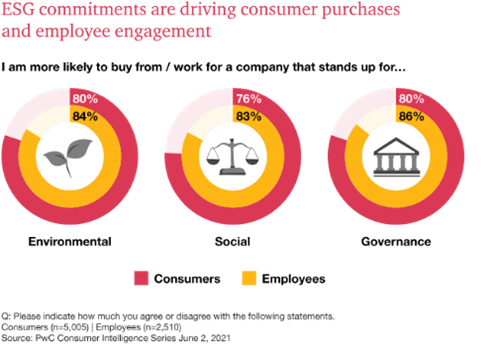


 Counterintuitive Fall 2024
You must be logged in to post a comment.