Rebuttal Rewrite – K3vin James

There is a Downside of Working Less?

A four day work week seems like that of a dream to most people, many of which are blue collar workers who have to work tough jobs to support them in just being able to afford the necessities. There are many benefits these hard workers will gain with an extra day off from working these rigorous jobs, but at the end of the day, not everyone will be supportive of this new change to the work style that has been in place for nearly a hundred years in the U.S.

One of the lead arguments protesting the shortening of the work week is brought to light in an article written by Liberty Vittert called “A Four Day Work Week Would Destroy Everything That Made America Great.” In this article Vittert states that due to the shortening of work weeks, companies that offer customer based services would have on less day of reaching the customer and being able to make sales. Due to this, those same companies would have to hire more help during the active days to make up for the lost day. This would further burden the company for having to spend more money on the extra help, and could eventually cause the company to stop making profit all together and inevitably lay off all work and go bankrupt.

An example Vittert gave of this was a short period of time between 1988 and 1996 in Japan. The work week was shortened form “46 hour to 30 hours” and as a result, the economic output fell nearly 20 percent. Though in the article, Vittert fails to explain the main reason for the economic crisis in Japan at the time. In “The Japanese Economic Crisis of the 1990’s” by Naoto Ohmi, Ohmi talks on the important factors that played into Japans economic downfall of the time. Ohmi talks on a subject known as asset price bubble in which the prices of stock and real estate had been greatly inflated. Due to this there was many who took out loans and with the banks giving little to no regard to whom they distributed money to, they had grossly devalued the price of their yen which led to the economic struggle at the time.

Vittert goes on later to say that Microsoft had implemented a four day work week for a trial period in one of the Japanese offices. In that span, which was only for the month of August, the workers had the Friday off work, and productivity for that month was reported to have increased by 40 percent. The counter argument Vittert gave in this case was that it was due to the month having been a low productivity summer month and that if it were really to be the case then why have they not implemented this style of work week into other branches.

This claim can also be refuted by the author of “Microsoft’f Latest Innovation: The 4-Day Work Week,” Evelynn Orr. In the article Orr, states that due to the success of the trial, they will be doing more trials throughout the months due to the fact that a mone month trial is limited. Throughout the trial, it was stated that paper used for printing was down 60 percent and electric usage was down 23 percent in cost. This is further backed by the results published on an in depth analysis of the trial called “Four-Day Workweek: The Microsoft Japan Experience” written by Courtney Gatlin-Keener and Ryan Lunsford. The results spoke of are shown in a graph provided by the article.

Microsoft Work Life Choice Challenge Results

Due to results such as the increase in productivity and decrease in costs, it would be presumptuous to believe that they would have just stoped further implementation of this style of working. This further brings me back to the main issue at hand with switching to a four day work week, and that is that it would cost companies more money and eventually lead them to go bankrupt.

Most companies are not on the scale of Microsoft in terms of the amount of people they employ or the profits they bring in. Yet, in any case, it would be reasonable to assume that even if this were the case, keeping a lower cost of running the business is still in the best interest of the parties that run a company. IF a company were able to cut electricity costs by nearly a quarter of the usual usage and also save on costs such as paper, this could be of great benefit to those who are in charge. In the article “25+ Warehouse Energy Consumption Statistics You Need To Know,” they state that for some companies, electricity can cost a company up to 50 percent of their yearly expenses. If that were lowered, there would be money to be able to higher employees as they see fit, and not be at risk of loosing money. For these reasons, the argument that companies could go bankrupt and effect the economy is almost laughable in comparison to what it would actually provide as benefits that the company owners would gain in return.

References

“25+ Warehouse Energy Consumption Statistics – Meteor Space.” Www.meteorspace.com, 5 Jan. 2023, http://www.meteorspace.com/25-warehouse-energy-consumption-statistics-you-need-to-know/.

Gatlin-Keener, Courtney, and Ryan Lunsford. Four-Day Workweek: The Microsoft Japan Experience. 2019.

Orr, Evelyn. “Microsoft’s Latest Innovation: The 4-Day Workweek.” Www.kornferry.com, http://www.kornferry.com/insights/this-week-in-leadership/microsoft-four-day-workweek-employee-engagement.

Vittert, Liberty. “A Four-Day Workweek Would Destroy Everything That Made America Great.” The Hill, 4 Oct. 2023, thehill.com/opinion/finance/4228933-a-four-day-work-week-would-destroy-everything-that-made-america-great/

Posted in Rebuttal Rewrite | 1 Comment

Rebuttal Argument – K3vin James

There is a Downside of Working Less?

A four day work week seems like that of a dream to most people, many of which are blue collar workers who have to work tough jobs to support them in just being able to afford the necessities. There are many benefits these hard workers will gain with an extra day off from working these rigorous jobs, but at the end of the day, not everyone will be supportive of this new change to the work style that has been in place for nearly a hundred years in the U.S.

One of the lead arguments protesting the shortening of the work week is brought to light in an article written by Liberty Vittert called “A Four Day Work Week Would Destroy Everything That Made America Great.” In this article Vittert states that due to the shortening of work weeks, companies that offer customer based services would have on less day of reaching the customer and being able to make sales. Due to this, those same companies would have to hire more help during the active days to make up for the lost day. This would further burden the company for having to spend more money on the extra help, and could eventually cause the company to stop making profit all together and inevitably lay off all work and go bankrupt.

An example Vittert gave of this was a short period of time between 1988 and 1996 in Japan. The work week was shortened form “46 hour to 30 hours” and as a result, the economic output fell nearly 20 percent. Though in the article, Vittert fails to explain the main reason for the economic crisis in Japan at the time. In “The Japanese Economic Crisis of the 1990’s” by Naoto Ohmi, Ohmi talks on the important factors that played into Japans economic downfall of the time. Ohmi talks on a subject known as asset price bubble in which the prices of stock and real estate had been greatly inflated. Due to this there was many who took out loans and with the banks giving little to no regard to whom they distributed money to, they had grossly devalued the price of their yen which led to the economic struggle at the time.

Vittert goes on later to say that Microsoft had implemented a four day work week for a trial period in one of the Japanese offices. In that span, which was only for the month of August, the workers had the Friday off work, and productivity for that month was reported to have increased by 40 percent. The counter argument Vittert gave in this case was that it was due to the month having been a low productivity summer month and that if it were really to be the case then why have they not implemented this style of work week into other branches.

This claim can also be refuted by the author of “Microsoft’f Latest Innovation: The 4-Day Work Week,” Evelynn Orr. In the article Orr, states that due to the success of the trial, they will be doing more trials throughout the months due to the fact that a mone month trial is limited. Throughout the trial, it was stated that paper used for printing was down 60 percent and electric usage was down 23 percent in cost. This is further backed by the results published on an in depth analysis of the trial called “Four-Day Workweek: The Microsoft Japan Experience” written by Courtney Gatlin-Keener and Ryan Lunsford. The results spoke of are shown in a graph provided by the article.


Microsoft Work Life Choice Challenge Results

Due to results such as the increase in productivity and decrease in costs, it would be presumptuous to believe that they would have just stoped further implementation of this style of working. This further brings me back to the main issue at hand with switching to a four day work week, and that is that it would cost companies more money and eventually lead them to go bankrupt.

Most companies are not on the scale of Microsoft in terms of the amount of people they employ or the profits they bring in. Yet, in any case, it would be reasonable to assume that even if this were the case, keeping a lower cost of running the business is still in the best interest of the parties that run a company. IF a company were able to cut electricity costs by nearly a quarter of the usual usage and also save on costs such as paper, this could be of great benefit to those who are in charge. In the article “25+ Warehouse Energy Consumption Statistics You Need To Know,” they state that for some companies, electricity can cost a company up to 50 percent of their yearly expenses. If that were lowered, there would be money to be able to higher employees as they see fit, and not be at risk of loosing money. For these reasons, the argument that companies could go bankrupt and effect the economy is almost laughable in comparison to what it would actually provide as benefits that the company owners would gain in return.

References

“25+ Warehouse Energy Consumption Statistics – Meteor Space.” Www.meteorspace.com, 5 Jan. 2023, http://www.meteorspace.com/25-warehouse-energy-consumption-statistics-you-need-to-know/.

Gatlin-Keener, Courtney, and Ryan Lunsford. Four-Day Workweek: The Microsoft Japan Experience. 2019.

Orr, Evelyn. “Microsoft’s Latest Innovation: The 4-Day Workweek.” Www.kornferry.com, http://www.kornferry.com/insights/this-week-in-leadership/microsoft-four-day-workweek-employee-engagement.

Vittert, Liberty. “A Four-Day Workweek Would Destroy Everything That Made America Great.” The Hill, 4 Oct. 2023, thehill.com/opinion/finance/4228933-a-four-day-work-week-would-destroy-everything-that-made-america-great/.

Posted in Rebuttal Draft | Leave a comment

Research Position Paper – HDT1817

The Survival of The Princes in the Tower:
a Thorough Examination of the Innocence of Richard III

Over the course of these three thousand words, I am going to be dissecting a mystery that has been plaguing the minds of historians and scholars alike for centuries. According to Shakespeare’s play Richard III, King Richard ordered the slaying of the princes in the tower because they had a true claim to the throne he had usurped. Now, given lack of evidence to this claim there has been much speculation as to what happened to the princes in the tower. Although this is one of the greatest unsolved mysteries in history, not many people are too familiar with this case. The English monarchy has always been at odds in terms of the succession of the throne. In this case, we are traveling back to the reign of Edward IV. Edward IV belonged to the house of York, and with his wife Elizabeth Woodville, he had two sons, Edward V, and Richard of Shrewsbury. These two boys would go on to be known as the princes who were imprisoned in the tower of London.

After the death of Edward IV, his brother Richard (who will later be known as King Richard III) descended into London and usurped the throne, which rightfully belonged to King Edward IV’s eldest son Edward V. After this, King Edward’s two young sons were locked up in the tower of London, never to be seen again. This is where the intricate web of the mystery starts to weave itself because in reality, the princes only had two options for their fate: exile or death. Many people seem to believe that Richard had them murdered to strengthen his claim to the throne, whereas others believe that he stripped them of all titles, spared their lives in secrecy, and allowed them to live out their days in exile under aliases.  

Both murder and exile are possible, and of course able to be argued for or against, but the most sensible aspect to look at this from is, which theory is more plausible. Looking at this case from the perspective of presuming the princes were murdered, the only really solid motive for this is that it rids Richard of the true heirs to the crown, strengthening his claim to usurp his nephew’s rightful throne. This also eliminates any possibility of those boys producing heirs that could threaten the succession even to this day. Looking at this from the perspective that he allowed the boys to live, the case you can make for this is that it allows Richard to avoid murdering his nephews, and it would also snuff out any wave of rebellion against Richard from those who loved Edward IV and his sons.

With that being said, in every mystery and/or conspiracy that involves murder and or disappearances, there is always at least two things: motives, and suspects. In this case specifically, there is a cause for Richard III (our prime suspect in both theories) to have had the princes killed, yet looking at this through a different lens, there are also many causal relationships that would support the claim that Richard III allowed the princes to live. It is important to acknowledge the fact that there are causal arguments on both opposing sides of this mystery. For example, on the theory that the princes were murdered, there is faith placed in the claim that because Richard III had his sights set on the throne, he murdered his nephews in cold blood. The throne and the power that comes with it would act as a motive for murder in this case. However, on the theory that the princes were spared, there is faith placed in the claim that because the princes were Richard III’s nephews, he did not have them killed. Human decency and not desiring to kill members of his family would act as Richard’s motive to spare the princes. The difference between the two is, there is exiguous evidence of the prince’s deaths, and the scarce evidence that is linked to the princes does not have a solid foundation to stand on. Most importantly, the refusal of the crown to further investigate what could have happened to these two young princes provides uncertainty that Richard ordered their deaths.

Let’s again acknowledge the fact that the two princes are Richard III’s nephews, His brother King Edward IV and Queen Elizabeth Woodville’s children. This fact in itself would cause anyone to believe that the probability of Richard ordering the murder of these two innocent children is particularly unlikely. As I’ve said previously the cause for this would be ordinary human decency and also not possessing a particular proclivity to order the slaying of one’s own kin. Although it is true that Richard was not supportive of his brother’s (King Edward IV) choice of wife, the princes were still his family. The prince’s mother, Elizabeth Woodville, was a widow and a mother already before she had even married King Edward IV. During the time this was almost an unacceptable choice of suitor for the king. However, the two married anyway and had many children including the princes in the tower. Although Richard seemed stagnant on this issue while his brother Edward IV was still alive, upon his death the question of the legitimacy of their marriage created a window of opportunity for Richard to seize power. Since Elizabeth Woodville had these underlying factors against her legitimacy as queen, upon his brother Edward IV’s death and along with the presumable public favor, this in turn would make it unchallenging for Richard to simply declare the princes as bastards and exile them. And what threat would two bastard boys pose to Richard III that would be salient enough to have them killed?

Being that Richard did in fact declare the princes illegitimate on the grounds that King Edward IV was already betrothed to Lady Eleanor Butler before he married the prince’s mother, there would be no cause to have them killed. If they were illegitimate in his eyes, and also parliament under Richard’s influence as well, there is simply no threat that two illegitimate children with disgraced claims to the throne could pose to him. Because of both the prince’s young age and their mother, the dowager queen’s unpopularity at court, Richard had the most leverage in this situation to be able to easily lay claim to the throne without murdering his nephews. His brother Edward’s unfavorable marriage perhaps provided him with the most motive to dismiss the boys without bloodshed.

However, let’s agree for a short while that the princes were in fact murdered. Why would Richard III order their deaths when the majority of England were in favor of his brother Edward IV and his sons, the princes in the tower. If there was anyone who had more of a motive to murder these two boys, it would be Margaret Beaufort. The biggest motive for this would be for her to have men she is in alliance with murder the boys and put the blame on Richard, casting him out of the favor of England. For context, Margaret Beaufort was the mother of Henry VII, King of England who defeated Richard III in battle and ascended the throne. Margaret lived at court while Richard III was king. This meant she had a closer than most access to the tower of London, where the princes were being held. During this time, her son Henry VII is plotting an attack against Richard. So Margaret, using her piety to shroud her devious ways, and being the devout mother that she was, would of course want to clear the path even further than just Richard for her son Henry to win the throne. If Henry defeated Richard in battle, and the princes were left alive, he would still have the princes and their supporters to deal with. Margaret was known for her schemes and political skills so if the princes were murdered it was not at the hands of Richard III, but the Tudor matriarch who betrayed the house of York to place her son on the throne.

Adding on, Sir Thomas More and other important figures from this time have written accounts stating that the princes were murdered, but most of these were not written until after the fall of Richard III. With that being said many scholars who support the belief that the princes were not murdered, say that most of these accounts are simply Tudor propaganda post the War of the Roses and the defeat of Richard III by Henry Tudor (Henry VII). Another possible seed of Tudor propaganda is Shakespeare’s play Richard III. It portrays Richard as deceitful, manipulative, and bloodthirsty to be king. Both of these works support the claim that the princes were murdered. However, as I have previously mentioned, they were written by two men who were not in favor of Richard III and had no issues slandering his name, especially in favor of the Tudor king they were ruled under who could have very well ended their lives if they went against him. I can support this claim because Shakespeare actually pulled most of his inspiration for writing this play from the accounts of Sir Thomas More, which have no fact other than hearsay supporting them. Sir Thomas More’s accounts of how Richard III was in terms of his traits and behaviors, and how he ordered the deaths of the princes in the tower, is highly speculated to be Tudor propaganda as well. He served Henry VIII (a Tudor monarch) as Lord High Chancellor of England from 1529 – 1532. This alone would mean any accounts of the Yorkist King Richard written by More, are unequivocally biased being that the House of Tudor and the House of York (Richard III’s house) did not get along. 

Many scholars could argue the fact that based on these accounts of Sir Thomas More on Richard III, and Shakespeare’s dramatization of the reign of Richard III, that Richard would have a cause to in fact murder the princes. Another primary account by Italian Chronicler Dominic Mancini states that the princes were “Withdrawn to the inner apartments of the Tower proper, and day by day began to be seen more rarely behind the bars and windows until at length they ceased to appear altogether. Already there is a suspicion that they have been done away with.” According to the Historic Royal Palaces, Mancini was a minor diplomat in Edward IV’s court between the years of 1482 and 1483. With his role being a diplomat, he recorded what he saw and heard at the royal court. Refuting the foreign diplomat’s claims, things simply heard at court would almost always include foul rumors and gossip. This would cause his records, like those of More and Shakespeare, unable to be proven accurate.

It cannot be emphasized upon enough that Shakespeare and Sir Thomas More were not omniscient. Shakespeare was born close to one hundred years after the death of Richard III, and Sir Thomas More was a boy of only seven years upon the death of Richard III. With that being said, why would any scholar not question the legitimacy of the content of their writings and accounts of Richard III? Many historians have this picture of Richard III in their minds as a cruel, calloused, power hungry usurper who ordered the murder of his own nephews, the princes in the tower. However, there is simply no way of proving this, unless any devout readers hold truths to the works I’ve previously mentioned written by men ruled under monarchs who bear the name Tudor. The Tudors destroyed Richard in the battle at Bosworth Field and put an end to the York reign. This alone is enough to claim that they would not want any recorded history of Richard being a good and just ruler. 

It is also recorded that after the disappearance of the princes, also Richard III’s peak of power, Dowager Queen Elizabeth Woodville (the prince’s mother) came back to court and seemed to have mended relations with King Richard III. Since this had all happened after the princes disappeared, if Richard did have them killed, this would cause it to be extremely unlikely that their mother would travel back to court and face the man who ordered the deaths of her beloved sons. We have to think about Elizabeth’s motive in this situation as well. Is it possible that she returned to court and mended relations in the public eye to quell any rebellions on behalf of her late husband Edward IV and their sons only if Richard had promised to spare the princes? This very well may be. Elizabeth’s seemingly painless return to the English court is another unequivocally pivotal argument supporting the claim that the prince’s lives were spared. 

An argument that could be the most compelling piece of evidence is the fact that to this day the truth about the princes has not come out to the public. The late Queen Elizabeth II’s refusal to allow further investigation into this case should make people wonder why. Why are two medieval princes still relevant to the crown today? They would hold no relevance if they were murdered. However, if they were allowed to live, and went on to marry, and produced their own heirs, they would have created a lineage that could still be alive today. And if that is the case, which I wholeheartedly believe it is, the entire line of succession in the English Monarchy today would be thrown out of order. Living heirs of the princes would mean total and utter chaos for the English Crown today. According to The Telegraph “Previous correspondence suggests that the Church of England, backed by the Queen, refused DNA testing on the grounds that it could set a precedent for testing historical theories that would lead to multiple royal disinterments.”

With that being said, another pivotal point that adds legitimacy to this argument is the discovery of the prince’s bones. In 1674, two sets of skeletal remains were found under a staircase in the Tower of London. King Charles II proclaimed that these bones belonged to the princes in the tower and they were almost immediately laid to rest in an urn in Westminster Abbey. It seems very suspicious that the bones were identified with extreme haste in order to “close” a case that still to this day leaves the world pondering an answer. However, in 1933 the bones were exhumed for archaeological analysis. They did in fact find that the bones belonged to two children about the same age as the princes, but they couldn’t determine the sex based off of the remains. This in itself aids the theory that their lives were possibly spared. The older child’s bones (presumed to belong to Edward V) showed evidence of an aggressive bone disease that would leave one’s face incredibly deformed, and the disease also has a high probability of leading to death. This evidence would show on the princes face eventually while he was still alive. Not only do records of the prince’s physical features exhibit no claims of anything of this nature, but also Prince Edward V’s doctor has no record of the prince having any such disease. This fact alone is enough to determine that these bones have little to almost no probability of belonging to the princes in the tower and could possibly explain the royal family’s reluctance towards further investigation.

This discovery caused many to believe that this was finally the missing piece in this greatly debated mystery. However, with the almost immediate internment of the bones, and the re-examination of them in the 1930’s, evidence was provided that would almost certainly disprove these bones belonging to Prince Edward V and his younger brother Richard. This archaeological variance has caused an even more in depth debate on what happened to them and the overall lack of archaeological evidence to defend the claim that the princes were murdered in the tower, causes the claim that they were spared, to be strengthened. 

Along with the fact that the monarchy is clearly hiding something from desirous historians and academics alike, there is the solution that if scientists were allowed to do further research, carbon dating analyses, and also extensive DNA testing on these bones, we would have a simple and true answer to if these bones belonged to the princes, and if so, what the most likely cause of death was. As of right now, scientists do not have access to do this, so the minimal evidence that is given must be used to ascertain the most logical fate of the princes, which is that Richard declared the princes illegitimate and spared their lives. The bones that were discovered near a staircase in the Tower of London were not even concluded to be those of two young boys as I have previously mentioned. They could have very well been two female child skeletons for all that we know, or two commoner male child skeletons. Another interesting point in the favor of my thesis is that if Richard did want all the power for himself and he was callous and cruel, wouldn’t he present the bodies of the princes to the people if he did murder them? To snuff out his brother’s entire line of succession and those who support it? It was a common thing in medieval times for the bodies of dead traitors or enemies to be put on display or placing traitors heads on spikes by the tower gates as well. Why would Richard as he is portrayed by More and Shakespeare leave anything up to the imagination when it came to his enemies? Why would he give the princes’ supporters that glimmer of hope that they are still alive? The Richard so cruelly and unfairly portrayed in history would not have done those things.

Although refused, there have been requests made to exhume the bones again for further DNA and carbon dating analyses. The English Monarchy would most certainly benefit from the simple explanation that Richard III had the princes murdered. What could these hundreds of years old bones tell us that could jeopardize anything of relevance to the crown? Members of the royal family, both alive and recently deceased, have a deeper insight than most historians and academics as to what happened to Edward V and his little brother Richard. King Charles has been quoted to be supportive of further exploration into this mystery whereas we know his mother Queen Elizabeth II, contrasted this entirely. An interesting theory I think could be entirely true is that maybe Queen Elizabeth was reluctant to divulge information about this case because the princes lives were in fact spared and they went on to have children (heirs), that would challenge the claim to the throne even to this day if there are any living descendants of the two princes. This in itself is a big enough challenge to the theory that they were murdered because there is no other reason for Queen Elizabeth to refuse further investigation of this case unless the uncovered truths could put her, her family, and their positions at risk. Say Edward IV died when his son Edward V was older, old enough to become king, would key historical events like the rise of Richard III and the War of the Roses even have happened? And if that’s the case, it would have affected the entire lineup of succession to the throne even to this day. Those who possess a proclivity towards knowledge of the history of the rivalry between the houses of Tudor and York need not be told how it highlights every claim in regards to the fate of the princes in the tower.

The evidence in this case I have thus provided is conspicuous. There really are no solid facts that would uphold the claim that Richard murdered his nephews, the princes in the tower. This theory in itself also is one that provides no intrigue. Sure, claiming that “treacherous” Richard III ordered the deaths of his brother’s beloved little boys would emit scandal and shock, but the theory that he allowed them to live, provides a different insight into the character of Richard III. Queen Elizabeth II’s refusal for further investigation, the degenerative bone disease found on the eldest skeleton that did not match any health or physical attributes of the princes, their mother Elizabeth of Woodville’s return to court after their disappearance, and Margaret Beaufort’s ambitions, all hold enough power to disprove More and Shakespeare’s accounts of Richard and any other vicious account of him thereof, that he murdered the princes in the tower.

References

More, T. (n.d.). The history of king king richard the third – thomas more studies. https://thomasmorestudies.org/wp-content/uploads/2020/09/Richard_III_English_glossed.pdf

Shakespeare, W. (1593). Richard III: Entire play. http://shakespeare.mit.edu/richardiii/full.html

Brain, J. (2023, November 21). Lady Margaret Beaufort. Historic UK. https://www.historic-uk.com/HistoryUK/HistoryofEngland/Lady-Margaret-Beaufort/

Ward, V. (14 Oct. 2022) Mystery of Princes in the Tower Could Finally Be Solved – with Help from King Charles. The Telegraph, Telegraph Media Group www.telegraph.co.uk/royal-family/2022/10/14/king-charles-rumoured-want-mystery-princes-tower-solved/

The mystery of the princes in the tower. TheCollector. (2021, November 3).  https://www.thecollector.com/princes-in-the-tower-mystery/

Leslau, J. (1988, December). The princes in the Tower | Moreana. https://www.euppublishing.com/doi/abs/10.3366/more.1988.25.2-3.7

The Princes in the Tower. Historic Royal Palaces. (n.d.). https://www.hrp.org.uk/tower-of-london/history-and-stories/the-princes-in-the-tower/#gs.00nsg9

Posted in Research Position Paper | 6 Comments

Rebuttal Argument-Thad711

Needs a Title

PTSD is something we all to never experience in our lives. But for the people who do experience the pain and suffering that comes with it how do they cope? Medications is probably the first answer anyone has to reduce symptoms of any illness, these medications consists of pills that affect mood and energy levels and even pills to help with sleep and anxiety. PTSD veterans may take up to 4 different pills just to get them through their day and this pill consumption can lead to another bad thing to add onto the PTSD, and that’s addiction.

Pills and medications aren’t always the best way to treat everything, especially PTSD as many veterans get addicted to the pills and later on turn to hard drugs to help self medicate. To stop this addiction and PSTD symptoms service dogs are something that has been suggested to many patients with PTSD as it helps them lower their symptoms and lower their medication use. The specially trained dogs help veterans cope with PTSD same as any medication or pill in the world. Service dogs are already one point better as once you get the dog you don’t have to keep paying for it as you do with pills, which is why many PTSD vets turn to drugs as they are cheaper then the medication they get and easier to purchase. National Library of Medicine completed a research study on how service dogs affect military veterans medicine regime. They took a group of veterans that currently have service dogs and veterans that are on the waitlist for service dogs and examined them day to day on how they change their medication usage and regime. It was said that most veterans with service dogs decreased their medication usage or removed some medicines from their regime. Many vets on the waitlist had no changes to their medication and some even added a medication while owners of a service dog had 30 members out of 67 remove a medication and another 25 decrease the dose of their medication. Kerri Rodriguez, one of the people who helped create the study, says “Many individuals with PTSD who respond to evidence-based treatments in the short-term do not reach stable remission over time” showing how medicines may not be the best choice for PTSD symptoms. Rodriguez always stated that “In addition, common comorbid conditions such as depression, anxiety, traumatic brain injury, or substance use disorder can make treatment for military veteran with PTSD more difficult”.

Table 1.

Descriptives statistics and group-level analyses on responses to the question “Since getting a service dog/getting on the waitlist, has your doctor made any changes to your medications? Select all that apply.”

Waitlist
(n = 62)
Service dog
(n = 67)
Group
difference
n (%)n (%)χ2p
No changes31 (50%)19 (28%)6.3540.012
Increased dose22 (36%)11 (16%)6.1490.013
Added a medication17 (27%)19 (28%)0.0140.905
Decreased dose1 (2%)25 (37%)25.503< 0.001
Removed a medication7 (11%)30 (45%)17.652< 0.001

Medication has its benefits but it also has it downsides, and in this case lots of downsides. Most PTSD vets are given a handful of medications which mainly derive from antidepressants, which are known to have plenty of side effects. Some known side effects of these medications are suicidal feelings, decreased alertness, sexual problems, and much more. Addiction is obviously another huge problem with PTSD medication as it is very hard to get off the pills and to stop taking them especially if you have been taking the medications for a long time it will be even harder to stay away from them. Service dogs offer a much more hopeful road to recovery from the symptoms of PTSD. Service dogs help create a bond between man and animal and that bond becomes unbreakable and helps to destroy that feeling of helplessness and loneliness that comes from PTSD.

More and more places are offering a program to sign up for which will help you get a specially trained service dog for PSTD patients. K9’s for Warriors is one of the biggest programs in America for helping locate and find the right dog for all veterans in need of a dog to help them. K9’s for Warriors specifically chose to train shelter dogs as they are also going through a trauma and this can help make the bond between a PTSD vet and shelter/service dog even greater.

References

https://www.ncbi.nlm.nih.gov/pmc/articles/PMC8204643/

https://www.mind.org.uk/information-support/drugs-and-treatments/antidepressants/side-effects-of-antidepressants/

Posted in Rebuttal Draft | 2 Comments

Causal Argument- Planefan25

Build a Foundation

How is innovation killing us? It’s supposed to make our world better, safer and faster. Innovation protects us, in theory. It can be great but the many factors it takes for an innovation to be an improvement can easily get overlooked. Weighing the possible cost against the possible benefits we have to determine whether or not it’s worth it.

One of the biggest failures that could happen are technical malfunctions. The Boeing 737 MAX MCAS is an amazing idea on the surface but in action it caused the deaths of hundreds of people. This system was supposed to make our planes safer by preventing stalls. Instead it caused planes to nose dive due to a mechanical failure that detected false stalls. The failure stems from the Angle of Attack(AOA) sensors, which frequently fail. Usually control systems using the AOA sensors take data from all of the sensors. In the case with the 737 MAX one sensor started giving MCAS incorrect data, but the MCAS can only take data from one of the sensors. Since the MCAS couldn’t compare its input to the other sensors it was prone to failures. We already have amazingly safe aircrafts but major design flaws like this could happen more and more if we continue to ignore past problems. These sensors were known to read incorrectly but Boeing still used them as a base for the MCAS system. 

The 737 MAX was an extremely rushed project. It developed when Airbus, a Boeing competitor, released the A330neo. Boeing knew prolonging the project would put them far behind Airbus, so they rushed everything. Along with this the budget was tight. This is unethical due to the sheer amount of work it takes to safely produce an aircraft. Human greed has an impact on how safe our innovations are. Instead of taking the time to ensure the safety of their passengers they weighed the consequences of the possible failure to the cost of implementing the better sensor and determined it would be better to risk a crash. There was so much rush on this that the Federal Aviation Administration wrote off an important review of the aircraft. During the investigation it was discovered that the MCAS was changed to have more of an impact than previously reported. When dealing with the lives of hundreds of people we can’t overlook anything, but when major companies are presented with the decay of sales we risk it. We can’t trust in the organizations that are there to keep us safe from innovation without improvement. Until a failure like this is mended innovation should halt.

When the 737 MAX was released pilots were not properly informed of the MCAS. Whether this was due to the rushed release or Boeing just didn’t think it was important doesn’t matter. The bottom line is that a major innovation happened under the radar of pilots. We don’t have the proper systems in place to detect a major flaw like this. Pilots have an extremely stressful job but we undermine their place in the cockpit when we allow changes like this to happen.

Pilots are trained for years to prevent disasters, they have to have at least 1,500 hours flying to even be considered for commercial flight. That’s not even including flight simulator time or in class time. Even with all of these protocols most fatal plane crashes are due to pilot error. Instead of constantly releasing new systems for pilots to learn, why don’t we develop better training systems? Or put more effort into better coursework for pilots new and old? We could have the safest plane ever and still be at the will of a pilot. They will have to relearn how to control a different plane, when we could accept that as of now we are at our limit for technological advancement in the planes. If we could train the pilots more on the same airfact that mechanically is amazing why continue to put more stress on pilots?

All in all we are not ready for innovative improvements. We have mechanical failures, organizational failures, human failures, and protocol failures. Innovations can happen, but only if we perfect every step of the processes we have now. As of now we have a lot to work on before we can continue to advance, because we need to equally improve every component equally. Even if we had an innovation that could change the world of flying we don’t have the proper channels to make sure it can thrive in our world. So until we fix all of our current problems innovation is useless because it doesn’t have a sturdy foundation to build on.

Posted in Causal Draft | Leave a comment

Reflective Statement – Maxxpayne


Core Value 1. My work demonstrates that I used a variety of social and interactive practices that involve recursive stages of exploration, discovery, conceptualization, and development.

Throughout the semester, I engaged in a dynamic writing process, evident in my Causal Rewrite. This essay underwent multiple revisions, showcasing my commitment to exploration and development. I initially explored various perspectives, discovering nuances in the content. Conceptualization occurred through iterative drafts, refining my understanding. The recursive nature of my writing process is evident in the evolution from initial ideas to the final polished summary.

Core Value 2. My work demonstrates that I read critically, and that I placed texts into conversation with one another to create meaning by synthesizing ideas from various discourse communities.

In my Definition Rewrite, I critically engaged with diverse sources, synthesizing ideas from multiple discourse communities. I integrated various definitions, creating a nuanced understanding. Placing texts into conversation enriched my interpretation, demonstrating my ability to read critically and synthesize ideas from different perspectives.

Core Value 3. My work demonstrates that I rhetorically analyzed the purpose, audience, and contexts of my own writing and other texts and visual arguments.

In my Purposeful Summary, I conducted a thorough rhetorical analysis. I considered the purpose and audience, adapting my writing to effectively communicate causal relationships. This analysis extended to evaluating other texts, ensuring a contextualized and audience-aware approach.

Core Value 4: My work demonstrates that I have met the expectations of academic writing by locating, evaluating, and incorporating illustrations and evidence to support my own ideas and interpretations.

The Rebuttal Argument exemplifies my commitment to academic rigor. I located and evaluated compelling evidence, reinforcing my arguments. The incorporation of relevant illustrations enhanced the overall persuasiveness and credibility of my writing.

Core Value 5. My work demonstrates that I respect my ethical responsibility to represent complex ideas fairly and to the sources of my information with appropriate citation.

Throughout the semester, I consistently upheld ethical standards in citation and representation. In each assignment, including the Rebuttal Argument, I maintained fairness and integrity in presenting ideas. Proper citation underscored my commitment to acknowledging the sources that contributed to my arguments.

Posted in Reflective | 1 Comment

Rebuttal Rewrite-hockeyplayer

Better Stats Mean the Best?

When we think of the best players of all time do we think of their stats? Or do we think of these achievements these players made throughout the years they played, or is it how these players changed the landscape of the game. Stats have caused many to have different opinions on who they believe are the best players, but how do you take one statistic from the hundreds that there are to declare that one stands above the rest? Stats can also be used out of context for example a player that played the game in the past may have scored less three point shots then today’s player because of a rule change that brought the three point line closer to the basket to make the NBA games more high scoring. If a player has missed more shots then another does that mean they are worse then that player, or if a player has scored more goals in more games does that make them better.

In the article “Are We Becoming Too Obsessed With Stats In Sports?” its explained how people today, are taking these advanced stats and comparing every player with them, the problem with that is these advanced stats don’t include everything that goes into a player for example the stats could be comparing the points per game and the assists per game between two players and only using these to compare the players when a players may be better in other major areas then these two fields. It explained how stats are being overvalued and can’t truly show how dominant a player is. The article also goes into how people may never watch these players play and just go to the stats section of the players career and use that to define them, this leads to many people believing another player is better than another.

In my next article, “LeBron James vs. Michael Jordan: How their careers compare” this was a summary of the two players’ overall careers and who holds the better statistics and how there’s so many different ways to compare the players. The first statistic was Lebron has had the longer career, going into his 21st season while Jordan played 15 seasons. Many people could use this stat to say Lebron was more dominant over a longer period of time, or someone could say Jordan was more dominant in his years played the Lebron. The next stat was all time points scored LeBron’s has 38,799 while Jordan had 32,292. Lebron currently holds the record for most points scored of all time, this stat can be a major one used to say Lebron was better than Jordan, or you could use another stat which shows Jordan who averaged the most points per game of all time was better. The final stat the article would use was championships won which has Jordan currently ahead with his six championships won while Lebron James has 4 championship wins, However Lebron has been to the championship ten times total compared to Jordan’s six unfortunately for Lebron he lost six of those finals while Jordan never lost a single NBA final. The article’s overall conclusion was how do choose which statistic makes a player better when there are so many different ones to choose from.

In my final article I chose “What is the average points per game (PPG) in the NBA by year? Looking at the last decade and evolution of scoring” In this article is goes over how the 2022-23 season was one of the highest scoring seasons ever in the NBA. Due to the new rules that they did not have in the past which has led to the explosion of the three point shot, the game is played much different in todays game of basketball then in the past. This is yet another example of how the best statistics cause people to think players are better than others, due to more scoring this means there will be a higher assist average and higher points per game averages for everyone. A player back in the day before these new rules would average around fifteen point a game and be treated as a superstar however in todays game this kind of player would be what you hope for from a sixth man. In 1996 around 16 three point shots were being attempted per game while in 2022-23 the average is 34. My purpose for choosing this article is to show the effect that stats don’t mean everything when comparing players.

In today’s world with all of this technology players stats are being more used now than ever before, and the effect of this is causing fans to have all different kinds of opinions on who is the best, but they are consistently downplaying the past players and their greatness and what they brought to the game of basketball.

References

Posted in Rebuttal Rewrite | 2 Comments

Research – Jetsfan

Working Out Will Save Your Life

Working out is a not necessarily what people believe it is. It goes far beyond the simple act of moving one’s body. It is a wide range of activities, from jogging and weightlifting to yoga and dancing, all aimed at improving physical fitness, health, and overall well-being. One could say that the type of workout you enjoy doing is the best workout. For example, if you do not enjoy doing bent over barbell rows, then you are more likely to cheat the workout and not get much out of it. If kayaking for a few miles is something that you find entertaining then it seems like a no brainer you should do it instead of a barbell row. What is great about these two different types of working out is you are still training the same muscle group.

One of the core elements of working out is developing strength and/or endurance depending on your goals. Regular physical activity challenges the muscles and cardiovascular system. This leads to an increase of strength and stamina. Whether lifting weights, doing high-intensity interval training, or participating in recreational activity, working out helps individuals build muscle and improve their overall physical performance. As individuals become stronger, they become more resilient. the sense of accomplishment that comes from setting and achieving fitness goals can boost self-esteem and self-confidence.

Working out plays a major role in weight management. It is a huge way to burn calories, which is crucial to maintain a healthy weight. Obesity and other health issues, such as diabetes and heart disease, can be effectively managed through a combination of regular exercise and a balanced diet. Moreover, working out not only helps with weight loss but also helps maintain it over the long term, making it a fundamental component of a healthy lifestyle. Doing regular physical activity can really reduce the risk of various chronic diseases, including heart disease, hypertension, and certain types of cancer. Exercise has been shown to lower blood pressure and improve cholesterol levels. These health benefits underscore the vital role that working out plays in preventing health issue and promoting a longer and healthier life. Exercise has also been shown to enhance cognitive function and brain health. Regular physical activity can improve memory, learning, and problem-solving abilities. These cognitive benefits highlight the positive impact of working out on mental acuity and overall brain function, making it a vital practice for individuals of all ages.

Working out is a powerful tool for reducing stress and improving mental well-being. Physical activity triggers the release of endorphins, which is the body’s natural mood lifter. The release of endorphins during exercise can eliminate symptoms of depression and anxiety. Regular exercise can help people control the stressors in their lives, leading to improved mental health and emotional resilience. It can be going for a run or a serene yoga session; Working out provides an outlet for daily stress and tension. People tend to feel accomplished and overall happier when after they are done with their workout.

Working out is a concept that includes more than just physical activity; it is a transformative practice that improves physical and mental health. Research shows regular exercise strengthens the body, prevents disease, reduces stress, and enhances brain function. The benefits of working out extend far beyond the gym, making it an essential practice for individuals seeking to improve their life quality. Whether you are an athlete, a casual exerciser, or just beginning your fitness journey, working out offers a path to a healthier, happier, and more connected life.

Working out is an essential part of having a full and healthy life. Working out on a consistent basis has a direct correlation to people who are extremely healthy. There are different types of exercises to do. For example, strength training, yoga, or a cardiovascular exercise have a range of positive effects on the body.

Exercise can do wonders with your sleep quality. After a tough workout, lying down in bed and sleeping is when your body is fully recovering. With this improved sleep, the likelihood of sleep disorders like insomnia go way down. “The available evidence certainly suggests that exercise could be a valuable behavioral therapy for poor or disordered sleep. ” When individuals sleep more, there mental well being and mental health improve. People begin to handle stress and challenges more effectively. Other benefits include increased efficiency and job satisfaction.

Working out plays a major role in weight management. It is a huge way to burn calories, which is crucial to maintain a healthy weight. Doing regular physical activity can really reduce the risk of various chronic diseases, including heart disease, hypertension, and certain types of cancer. Exercise has been shown to lower blood pressure and improve cholesterol levels. These health benefits underscore the vital role that working out plays in preventing health issue and promoting a longer and healthier life. These cognitive benefits highlight the positive impact of working out on mental acuity and overall brain function, making it a vital practice for individuals of all ages. It is very rarely too late to begin working out. Research states “Researchers analyzed health and exercise surveys from 315,000 older adults in the 1990s, then followed up to see who was still alive in 2011. Compared with people who never exercised, older adults who’d exercised consistently since they were teenagers had a 36% lower risk of dying during the study period. Those numbers were similar to the results for people who’d been inactive in their youth and only began exercising regularly in their 40s, 50s, and 60s. That group had a 35% lower risk of dying, compared with people who never exercised.”

Working out has been known to increase brain health. Working out is a powerful tool for reducing stress and improving mental well-being. Physical activity triggers the release of endorphins, which is the body’s natural mood lifter. The release of endorphins during exercise can eliminate symptoms of depression and anxiety. Working out also implements discipline in one’s life. Now, this can happen in different ways and most likely changes for everyone. Sometimes the discipline is creating a schedule and using time management. Personally, in the summers, I go to the gym Monday-Saturday from 8-9:30. This is how I start my day and stick to my schedule. Other people can use working out as “outdoors time” or a social part of their day. If someone is an introvert, working out is a great way to see other people even if it not direct socialization for not for a long period of time. A great example of this is going for a run. As a person jogs past someone, they do not talk, but you are still seeing another person. People tend to feel accomplished and overall happier when after they are done with their workout.

Working out is a concept that includes more than just physical activity; it is a transformative practice that improves physical and mental health. Research shows regular exercise strengthens the body, prevents disease, reduces stress, and enhances brain function. The benefits of working out extend far beyond the gym, making it an essential practice for individuals seeking to improve their life quality. Whether you are an athlete, a casual exerciser, or just beginning your fitness journey, working out offers a path to a healthier, happier, and more connected life.

Working out is a worldwide known and practiced activity. Similar to everything else in life, there are negatives that come from working out. The negatives appear when the unrealistic expectations and an unbalanced mindset create adversity for the physical and mental well-being of a person. With these negatives, people turn to a reason not to work out.

One of the most significant negatives that comes from working out is the risk of a few different things; Athlete burnout, overtraining and physical strain, or muscle damage. People become so wrapped up in trying to look a certain way and lift crazy amount of weight, that he or she does not fully listen to the body and continue to train without adequate rest and no recovery. This is known as overtraining syndrome. Overtraining syndrome is a nationally recognized thing and can be diagnosed by doctors. It is similar to Athlete’s burnout. Athlete burnout is a condition where an athlete experiences a new level of fatigue and declining performance in sports despite not changing the workout routine. It also is a reason for mood changes, decreased motivation, frequent injury and a higher risk of infection. Working out puts a physical strain on the body that should not be done everyday. If the athlete does not do recovery, the chances he or she gets injured are very high.

Individuals may fall into the temptation of over working the bodies’ limits. The false mindset of more exercise will lead to better results kicks in for many athletes. This is an absolutely terrible mindset to have because lifting and “being strong” is all relative. The 5’6 160 pound kid that can sneak up 225 on the bench press may think he is strong until he sees the 6’2 195 pound kid doing it for reps. They both think they are strong, but are they both? It does not really matter if there is a right answer because they can both think they are weak or strong and still not be a top five strongest guy in the gym. The consistent pushing of the body’s limits can lead to stress fractures, tendonitis, and various muscle strains. It seems counterintuitive that working out is promoted to help people get healthier, can put such stress on and compromise the person’s health and body.

There is a lot of pressure that comes from social media, a gym environment, and the general eyes of the public to have the “perfect” physique. This ideology can lead to a number of unhealthy behaviors. This list includes over excessive cardio, eating, dieting, compulsive workouts, and worst of all the taking of Sarms, or stronger steroids. “SARMs, which are chemical substances that mimic the effects of testosterone and anabolic steroids, are not FDA approved. Online vendors and social media influencers are using social media to make SARMs seem safe and effective.” Studies show that the risks of taking Sarms are detrimental to an athlete’s health and can cause them to lose their life. Some life-threatening health problems include increased risk of heart attack or stroke, psychosis/hallucinations, sleep disturbances, sexual dysfunction, liver injury and acute liver failure, infertility, pregnancy miscarriage, testicular shrinkage.

Exercising is often looked at as the cure for a bad mood or a instant mood booster. This is not the case for people who are prone to compulsive disorder tendencies. The gym to them can be a competitive place to go that will increase their blood pressure and dopamine which will cause injury. Pursuing the “perfect physique” can cause the development of BDD or what is also known as body dysmorphic disorder. The social environment of the gym can be a demoralizing place for people. It can promote body shaming, anxiety, low self esteem, and depression. The worst the part of these negatives arising is that they are all mental things. There are very very few instances that someone will actually walk up to another person in the gym and harass them by calling them fat, small, or out of shape. These negative connotations of working out come from a person not believing in themself.

Even though it is not as recognized as poorly as nicotine or gambling, working out can become a real addiction. Like all addictions, it becomes a nasty habit that they can’t find a way of avoiding. Individuals become so obsessed with working out, they can’t find another way to pass time each day. This often comes at the expense of the other essential parts of someone’s life. It can cause a rift in relationships, professional commitments, and typically leads to physical burnout.

To be clear, there are huge benefits of exercise. The benefits are helpful today, but not often down the road 30 years from now. High impact activity when is performed without perfect form or proper warm up can result in an injury ranging from sprains to severe nerve damage or a torn ligament. By working out so frequently, there is a premature hit that is put on the joints. This damage throughout the years will lead to chronic conditions like osteoarthritis. The activity that is supposed to build your body up and make you feel invincible, will contribute to not being able to walk down the stairs in the future.

The stress that is inflicted by a strenuous workout can be enough to push someone over the edge, especially if the person who is already under a significant amount of stress in the real world. There is a name for this that people get diagnosed with by doctors. This is called the “exercise paradox.” In other words, the person loses the ability to have a limit. They begin to workout to numb the stress in the outside world instead of working out to feel good.

The obsession that fitness creates caused a transformation in everyday life. People have to create a focus for doing everyday activity like walking up the stairs. Some people will legitimately sprint up the stairs to induce calorie burning activity. This type of hyperfocus on exercise and diet may create tension between relationships, family, and other friends. The tension is because others are unable to comprehend the obsession and can not comprehend what you want. The athlete is so committed to sticking with the strict workout regimen, the person will isolate themself and not involve themself with friends or going out.

While there are definitely reasons to work out, it is important to do it in moderation. There are so many negatives that can be introduced into someone’s life because of working out. The negatives that appear are both physical and mental. The negatives appear when the unrealistic expectations and an unbalanced mindset create adversity for the physical and mental well-being of a person. With these negatives, people turn to a reason not to work out.

References

Fred, Olamide. “Benefits of Going to the Gym Everyday.” Nicholas Idoko, 16 May 2023, nicholasidoko.com/blog/2022/04/27/benefits-of-going-to-the-gym-everyday/

Leonie Cranney a, et al. “Impact of an Outdoor Gym on Park Users’ Physical Activity: A Natural Experiment.” Health & Place, Pergamon, 14 Dec. 2015, http://www.sciencedirect.com/science/article/pii/S1353829215001495.

Haennel, Robert G, and Francine Lemire. “Physical Activity to Prevent Cardiovascular Disease. How Much Is Enough?” The College of Family Physicians of Canada, The College of Family Physicians of Canada, 1 Jan. 2002, http://www.cfp.ca/content/48/1/65.short.

Sport, 1Department of. “Short-Term Effects on Lower-Body Functional Power… : The Journal of Strength & Conditioning Research.” LWW, journals.lww.com/nsca-jscr/Abstract/2005/05000/Short_Term_Effects_on_Lower_Body_Functional_Power.32.aspx. Accessed 18 Oct. 2023

Hedrick, Allen MA, FNSCA, CSCS*D1; Wada, Hiroaki CSCS2. Weightlifting Movements: Do the Benefits Outweigh the Risks?. Strength and Conditioning Journal 30(6):p 26-35, December 2008. | DOI: 10.1519/SSC.0b013e31818ebc8b

Centers for Disease Control and Prevention. (2023, February 24). Physical activity boosts brain health. Centers for Disease Control and Prevention. https://www.cdc.gov/nccdphp/dnpao/features/physical-activity-brain health/index.html#:~:text=Did%20you%20know%20it’s%20good,of%20cognitive%20decline%2C%20including%20dementia.

Kerr, M. (2022, January 19). Exercise and weight loss: Importance, benefits & examples. Healthline. https://www.healthline.com/health/exercise-and-weight-loss#benefits

Centers for Disease Control and Prevention. (2023b, August 1). Benefits of physical activity. Centers for Disease Control and Prevention. https://www.cdc.gov/physicalactivity/basics/pa-health/index.htm#:~:text=Regular%20physical%20activity%20is%20one,ability%20to%20do%20everyday%20activities.

https://www.fda.gov/consumers/consumer-updates/fda-warns-use-selective-androgen-receptor-modulators-sarms-among-teens-young-adults#:~:text=Studies%20and%20reports%20show%20SARMs,Sleep%20disturbances

https://www.scientificamerican.com/article/the-exercise-paradox/

Posted in Research Position Paper, X Archive | Leave a comment

Research – laflame

Chasing Joy: Decoding the Complexity
of Happiness in Modern Society

In our contemporary and fast-paced world, the relentless pursuit of success often intertwines with the quest for happiness, necessitating a pause to reconsider our approach. Happiness, that elusive state of contentment and joy, propels individuals to great lengths. Paradoxically, the more actively we chase it, the more elusive it becomes. This pursuit is rife with contradictions, suggesting that constant striving may leave us feeling empty, while finding joy in everyday moments can be deeply satisfying.

In the exploration of defining happiness, we navigate through its intricate web of emotions, experiences, and values. According to Tchiki Davis, the founder & CEO of Berkeley Well-Being Institute, “Happiness is defined differently depending on who you ask. Some people define happiness as a positive emotional experience. Others define happiness as having two parts called hedonia (pleasure) and eudaimonia (thriving).” Davis’s insightful article, “What Is Happiness, Anyway?” underscores the notion that happiness is not a singular concept but a tapestry of various components. To comprehend happiness fully, we must acknowledge its dynamic nature shaped by individual perspectives and life experiences. This essay posits that happiness is not a final destination; it’s an ongoing journey where we relish life’s simple pleasures. Actively chasing happiness makes it harder to attain, emphasizing the importance of being in the moment and paying attention to daily life.

In a success-driven society, many equate ambition with happiness, believing that striving relentlessly is the path to fulfillment. However, excessive effort can lead to stress and fatigue, akin to solving a puzzle where success doesn’t guarantee happiness. While setting and achieving goals can bring a sense of accomplishment and happiness to some, it’s vital to consider the toll this pursuit takes on overall well-being, including mental and emotional health. Discovering happiness in everyday life is facilitated by practices such as showing gratitude and empathy. These strategies emphasize maintaining a positive mindset and deepening connections with the world. Finding joy in simple moments and practicing gratitude can lead individuals to unlock a more enduring form of happiness, shifting the focus from future success to appreciating the present.

In the relentless pursuit of happiness, we often find ourselves racing towards an elusive finish line. The concept of happiness, simple yet complex, has captivated human imagination for centuries. This essay contends that true happiness emerges from discovering joy in everyday moments rather than constantly chasing it. Defining happiness is a multifaceted challenge, varying from person to person. Tchiki Davis suggests breaking happiness down into its constituent parts, exploring factors like gratitude and empathy. To understand happiness fully, we must acknowledge its dynamic nature, shaped by individual perspectives and life experiences. Happiness is not an endpoint but a continuous journey marked by an appreciation for life’s simple pleasures. The idea that happiness is elusive when actively pursued underscores the importance of being present and mindful in daily lives. True happiness, as defined here, emerges when we shift our focus from what we lack to what we already have, finding joy in the everyday.

The variety of human experiences means that happiness is different for each person. Striving for specific goals, such as advancing in a career, can accidentally lead to stress and unhappiness. Often, the pursuit of external accomplishments hides a deeper need for inner contentment, which tends to be more successful when it’s not the primary focus. Dan Gilbert, a Harvard psychologist, explains in his Ted Talk, “The surprising science of happiness,” a compelling experiment conducted at Harvard. In the experiment, participants enrolled in a photography course were tasked with selecting between two cherished pictures, knowing they had to relinquish one. The conditions varied: some were informed they could reconsider their choice within the next few days, while others were apprised that their decision was irrevocable, and the chosen picture would be promptly dispatched. Surprisingly, participants who committed irrevocably to their choice exhibited greater satisfaction and enjoyment with their selected photo, even days later. Conversely, those in the reversible condition, given the option to swap, experienced ongoing dissatisfaction, perpetually questioning their decision.

The interpretation of this experiment offers a profound insight into the nature of happiness. It underscores that we can generate a form of synthetic happiness by fostering resilience and recognizing the value of our current choices. The findings suggest that the perpetual pursuit of happiness may be hindered by the inclination to second-guess decisions and entertain alternative possibilities. The key takeaway is that contentment with our present circumstances and choices can be a potent source of genuine happiness. Instead of ceaselessly seeking external changes or alternatives, embracing and finding joy in our current situations contributes to a more profound and enduring sense of well-being. This experiment emphasizes the intrinsic connection between contentment and the pursuit of authentic happiness, underscoring the importance of adopting a mindset of acceptance and gratitude for the present.

In conclusion, as we navigate the intricate landscape of happiness in our contemporary and fast-paced world, it becomes evident that the relentless pursuit of success is closely entwined with the quest for happiness. This intertwining prompts a crucial pause, compelling us to reconsider our approach to achieving contentment and joy. Happiness, often perceived as an elusive state, propels individuals to great lengths, yet paradoxically, the more actively we chase it, the more elusive it becomes. The pursuit itself is fraught with contradictions, suggesting that continuous striving may leave us feeling empty, while finding joy in everyday moments proves to be deeply satisfying.

Meet Sarah and Mark, two successful CEOs in different industries. On the surface, Sarah appears to have it all – a lavish lifestyle, luxurious vacations, and substantial wealth. In contrast, Mark lives more modestly, prioritizing frugality and contributing a significant part of his income to charitable causes. You might think Sarah is happier due to her wealth and extravagant life, while Mark, despite his modest living, might seem to struggle more. This essay explores and challenges the notion that financial success guarantees well-being.

In today’s corporate world, stress is rampant, affecting employees’ well-being and organizational productivity. The pressures of modern business environments can be overwhelming, and it’s not just the employees who bear the brunt. CEOs, the leaders of these organizations, also grapple with high-stress levels and unique challenges. However, there’s a growing realization that resilience, the ability to bounce back from adversity, plays a crucial role in combating workplace stress and improving mental health.

Cindy Kermott et al., in their study titled “Is higher resilience predictive of lower stress and better mental health among corporate executives?” shed light on the stress epidemic in the corporate realm. They emphasize the shocking statistic that “The large inverse association of resilience with anxiety and depression was noteworthy, with an almost 3-fold higher prevalence of anxiety and a 4-fold higher prevalence of depression in the lower-resilience group compared with the higher-resilience group.” This survey of executives found that those with higher resilience reported a better quality of life, lower stress, and a lower prevalence of mental health issues like depression. These benefits remained consistent across various factors like education, age, gender, and income. The study aligns with previous research, indicating that promoting resilience in the corporate setting could help alleviate the negative impact of workplace stress on mental health. However, it acknowledges limitations, such as its cross-sectional design and reliance on self-reported outcomes.

Personal and professional growth is a fundamental part of self-improvement. This journey involves continuous learning, skill development, and the pursuit of challenging goals. For CEOs, this journey is ongoing and equips them with resilience and effective coping mechanisms to handle the stress of their demanding roles. Justin Berg, an assistant professor at Stanford Graduate School of Business, suggests that embracing growth, both personally and professionally, enhances an individual’s ability to withstand stress. This implies that the pursuit of self-improvement is not solely about achieving success but also about fostering resilience.

Happiness isn’t solely about wealth and luxury. It’s about finding purpose and contributing to the greater good. Many CEOs actively engage in philanthropic initiatives and create positive societal impacts. Take Bill Gates, for example, who, through his foundation, exemplifies how contributing to society provides a profound sense of purpose. These acts of philanthropy and contribution often bring immense fulfillment and happiness to CEOs, transcending the boundaries of financial success. There are different facets of well-being, and it’s not limited to a hedonic pursuit of pleasure. Eudaimonic well-being, which centers on finding meaning and self-actualization, stands in contrast to hedonic well-being. People who actively enjoy the small victories in life and have resilience tend to experience eudaimonic well-being, which is closely linked to enduring happiness and contentment. It’s not only about fleeting moments of joy; it’s about a deep and enduring sense of well-being.

Cath Everett, a journalist writes about her conversation with psychotherapist and mindset coach Ella McCrystal in her article, “Why CEOs’ mental health is business-critical”, McCrystal says “Many CEOs have quite an obsessive nature, which helped them get to the top in the first place, but it can make them single-minded about work and lead to self-sabotage,” McCrystal says. “Or they can just be so dissociated from themselves and so focused on the tasks at hand that they don’t realize they’re burning out.” McCrystal’s insight highlights a paradox among achievement-driven individuals, particularly CEOs. Their obsessive focus on success, while propelling them to the top, often leads to a single-minded pursuit of tasks, potentially resulting in self-sabotage. The quote emphasizes how this relentless drive can cause dissociation from personal well-being, leading to burnout. For such individuals, the pursuit of achievements becomes a perpetual quest for fleeting moments of joy, overshadowing a balanced and sustainable approach to happiness. The cycle of constant achievement may offer momentary rewards but risks a disconnection from a holistic and fulfilling life.

Contrastingly, those individuals striving for perfection often experience heightened anxiety, dissatisfaction, and chronic stress. Perfectionism can be a double-edged sword, often leading to more harm than good. On the other hand, mindfulness emphasizes improvement and resilience, minimizing the negative impact of perfectionism. A growth mindset, characterized by the belief in one’s ability to develop and improve, plays a crucial role in attaining happiness. It promotes an ongoing path of self-improvement and adaptation, empowering individuals to overcome challenges and sustain a positive outlook.

In exploring the lives of CEOs Sarah and Mark, it becomes evident that Mark possesses a unique ability to synthesize happiness by being present in the moment and relishing the small victories of life. While Sarah’s opulent lifestyle might suggest a pathway to contentment, it is Mark’s intentional choices and mindfulness that provide a deeper understanding of genuine well-being.

Mark’s modest lifestyle, characterized by frugality and a commitment to charitable causes, reflects a deliberate choice to prioritize meaning over material excess. This intentional decision underscores Mark’s ability to find joy in simplicity and highlights his capacity to synthesize happiness from experiences that extend beyond financial success. Mark actively engages in philanthropic endeavors, this not only contributes to societal well-being but also allows him discover a profound sense of purpose and contentment in making a positive impact.

Furthermore, Mark’s resilience, as demonstrated through his ability to bounce back from challenges, positions him to appreciate the present and derive happiness from everyday moments. The act of giving, coupled with a mindful approach to life, allows Mark to find joy in the journey rather than fixating solely on the destination. His capacity to synthesize happiness lies in the appreciation of life’s small victories, fostering a deeper and more enduring sense of well-being.

In contrast, Sarah’s opulence may not inherently provide the same opportunities for synthesizing happiness. The pursuit of lavish experiences and material wealth, while offering moments of pleasure, may not necessarily contribute to a sustained and authentic sense of contentment. Mark’s story serves as a reminder that true happiness often emerges from cultivating gratitude for the present, finding meaning in one’s actions, and savoring the simple joys that life has to offer. In essence, Mark’s ability to synthesize happiness goes beyond the external trappings of success. It is rooted in mindfulness, resilience, and a conscious choice to derive joy from the journey. His story encourages us to reconsider the sources of genuine well-being, emphasizing the importance of being present in the moment and embracing life’s little victories as integral components of a fulfilling and happy life.

In conclusion, the essay challenges the conventional belief that financial success guarantees well-being by examining the lives of CEOs Sarah and Mark. It addresses the prevalent issue of stress in the corporate world and underscores the vital role of resilience in mitigating workplace stress, drawing on studies and expert insights. The exploration expands to distinguish between hedonic and eudaimonic well-being, showcasing how CEOs contributing to society can find profound purpose and fulfillment beyond financial success. The concept of synthesizing happiness is introduced, emphasizing that individuals who actively enjoy small victories and cultivate resilience tend to experience enduring well-being.

While the essay emphasizes the intrinsic value of the journey in pursuit of happiness, it’s essential to acknowledge the opposing argument that suggests setting and achieving goals as the primary path to fulfillment. This perspective posits that the process of defining clear objectives and successfully reaching them is the key to a content and satisfied life.

Proponents of the goal-centric approach like Kennon Sheldon et al. argue that having well-defined goals provides individuals with a sense of direction and purpose. Setting specific targets allows for a structured and organized life, where each accomplishment contributes to a fulfilling sense of achievement. The satisfaction derived from reaching milestones is seen as a reliable source of happiness, creating a tangible and measurable foundation for well-being.

Moreover, the pursuit of goals is considered a motivational force that propels individuals forward in their personal and professional lives. The sense of progress and accomplishment serves as a continuous source of inspiration, encouraging individuals to strive for higher aspirations. This perspective contends that the act of setting and achieving goals not only provides happiness in the moment of success but also lays the groundwork for sustained well-being by fostering a mindset of continual improvement.

Sheldon et al.’s study titled “Persistent pursuit of need-satisfying goals leads to increased happiness: A 6-month experimental longitudinal study”, explores how the groups of people in their studies benefited greatly and experienced happiness through goal setting. Their study called the “Community happiness study” recruited 181 participants through a University of Missouri announcement, with an imbalanced gender ratio and diverse representation across student, faculty, staff, and administrator roles. Participants were informed about the study’s purpose, emphasizing voluntary participation and the absence of guaranteed positive effects. After completing an initial questionnaire, participants generated and rated four personal goals. The study spanned four waves over 6 months, with sample sizes of 173, 151, and 145 participants. Demographic variables like gender, income, and occupation had minimal influence on the reported patterns. Participants received compensation for the initial session and were entered into a lottery for completing the entire study. Follow-up questionnaires were administered online at 2, 4, and 6 months post the initial session. The study aimed to compare the effects of exercises on participants’ state of mind, exploring long-term impacts on happiness.  

Sheldon and his colleagues concluded that “The data supported all three of our hypotheses. Most important, our first hypothesis, and the general notion that “becoming happier takes both a will and a proper way.” The authors’ conclusions align with the notion that “becoming happier takes both a will and a proper way.” While the study emphasizes the benefits of persistent pursuit of goals, it overlooks potential downsides. Using goal setting as a tool for happiness might inadvertently contribute to a cycle of chasing achievements for fleeting moments of joy. Over time, this relentless pursuit may lead to burnout as individuals become singularly focused on tasks, potentially sacrificing their well-being in the process. The study’s positive findings should be balanced with a recognition of the potential pitfalls associated with the continuous pursuit of goals. 

In examining the opposing argument, it’s crucial to acknowledge that the pursuit of goals can indeed be a meaningful and fulfilling path to happiness for many individuals. The satisfaction derived from setting and achieving objectives, the motivational drive it instills, and the external recognition received all contribute to a robust and measurable framework for well-being. While this perspective may differ from the essay’s emphasis on the journey, it represents a valid and widely accepted approach to finding happiness in one’s pursuits. Balancing these contrasting viewpoints allows for a comprehensive understanding of the complex dynamics involved in the pursuit of a content and meaningful life.

The intrinsic value of life and the journey we take lies within the journey itself. Each step taken, every challenge faced, and every lesson learned contributes significantly to the happiness experienced during the pursuit of a goal. It’s about acknowledging and finding joy in the progress made, not solely fixating on the final destination. The research conducted by Anthony D. Ong and his peers shed light on how these positive feelings felt during the journey contribute to a healthier life. In their study titled “The Health Significance of Positive Emotions in Adulthood and Later Life” Ong writes “positive emotion is believed to directly affect health via behavioral, physiological, and stressor exposure pathways.” Ong emphasizes the impact of positive emotions on health through various pathways. In the context of life’s journey, being mindful along the way allows individuals to find happiness in the small victories and positive experiences. This mindfulness contributes to resilience, as it involves acknowledging and appreciating the progress made, not just fixating on the final destination. Cultivating an awareness of the positive moments in the journey, can help individuals enhance their ability to bounce back from challenges and develop a deeper sense of well-being. Resilience, in this context, becomes a byproduct of mindful engagement with life’s experiences, fostering enduring happiness and a healthier overall outlook.

Contrary to the widely held belief that reaching a goal ensures a lasting state of happiness, research indicates that the joy derived from achievement is often short lived. The feelings experienced upon reaching a goal tend to fade over time, and the pursuit of new goals becomes necessary to sustain a sense of purpose and fulfillment.

Alastair Dryburgh, the CEO of Akenhurst Consultants and a regular contributor to Management Today, writes about how reflection can help people in the corporate world have a more mindful mindset in his Forbes article “The Curse Of Success?” Dryburgh writes “The real task is harder; we need to recognise that much of what made us successful in the past will cause us to fail in the future.” This illustrates how the challenge lies not only in embracing new approaches but also in letting go of old habits that have become ingrained in one’s identity. The idea is to detach what we do from who we are, allowing for flexibility and adaptation. The key lies in finding a harmonious balance. Appreciating both the journey and the destination creates a holistic approach to goal attainment. It involves deriving joy from the process while maintaining a focus on the end goal for a more enriching and fulfilling experience. Striking this balance requires a mindful approach to goal setting and pursuit, setting realistic expectations, and recognizing that the journey is not merely a means to an end but a significant part of the overall experience. Acknowledging the interconnectedness of process and outcome, allows individuals to navigate their pursuits with a sense of purpose and resilience.

In life, happiness plays a recurring role, and our exploration challenges the common idea that reaching a destination guarantees fulfillment. The act of working towards a goal stands out as a significant factor for long-term happiness. As we passionately pursue our goals, let’s find joy not just at the top but in every step of the way. This comprehensive view of chasing goals and its complex connection with happiness encourages people to rethink success. It promotes a shift from seeing goals as mere endpoints to understanding them as essential parts of an ongoing and changing journey. We embrace a more lasting and nuanced approach to happiness by doing this, one that thrives not only in achieving goals but in the very essence of the pursuit itself.

The pursuit of happiness, as explored in this essay, unfolds as a nuanced journey encompassing diverse perspectives on the intrinsic value of the pursuit. While proponents of goal-centric approaches, exemplified by Sheldon et al.’s research, emphasize the structured path of setting and achieving objectives, the essay encourages a balanced reflection. It highlights the potential downsides of relentless goal pursuit, as underscored by concerns of burnout and fleeting joy. Moreover, the essay advocates for the recognition of happiness embedded in the journey itself, drawing on the insights of Anthony D. Ong and his peers regarding positive emotions and resilience. The essay challenges the notion that reaching a goal guarantees lasting fulfillment, it prompts a reevaluation of success, urging individuals to derive joy from every step of the way. This comprehensive perspective invites a shift from viewing goals as mere endpoints to recognizing them as integral components of an ongoing and evolving journey, fostering a deeper and more enduring approach to happiness.

References

(N.d.). Dan Gilbert: The surprising science of happiness | TED Talk. Retrieved October 22, 2023, from https://www.ted.com/talks/dan_gilbert_the_surprising_science_of_happiness/transcript.

Dryburgh, A. (2015, June 29). The curse of success?. Forbes. https://www.forbes.com/sites/alastairdryburgh/2015/06/29/the-curse-of-success/?sh=5bf044695a4c

Everett, C. (2023a, May 2). Why CEOS’ mental health is business-critical. Raconteur. https://www.raconteur.net/leadership/ceo-mental-health#:~:text=A%20survey%20by%20Deloitte%20last,to%20reset%20their%20emotional%20balance.

05, J., | by Corey Binns, Binns, C., Berg, J. M., Wrzesniewski, A., Grant, A. M., Kurkoski, J., & Welle, B. (2022, July 5). Take this job and love it: How a growth mindset can boost happiness at work. Stanford Graduate School of Business. https://www.gsb.stanford.edu/insights/take-job-love-it-how-growth-mindset-can-boost-happiness-work

Kermott, C. A., Johnson, R. E., Sood, R., Jenkins, S. M., & Sood, A. (n.d.). Is higher resilience predictive of Lower Stress and better mental health among corporate executives?. PLOS ONE. https://journals.plos.org/plosone/article?id=10.1371%2Fjournal.pone.0218092&nbsp;

Ong, A. D., Mroczek, D. K., & Riffin, C. (2011, August 1). The health significance of positive emotions in adulthood and later life. Social and personality psychology compass. https://www.ncbi.nlm.nih.gov/pmc/articles/PMC3173764/

Sheldon, K. M., Abad, N., Ferguson, Y., Gunz, A., Houser-Marko, L., Nichols, C. P., & Lyubomirsky, S. (2009, December 8). Persistent pursuit of need-satisfying goals leads to increased happiness: A 6-month Experimental Longitudinal Study – motivation and emotion. SpringerLink. https://link.springer.com/article/10.1007/s11031-009-9153-1Sussex Publishers. (n.d.).

What is happiness, anyway?. Psychology Today. https://www.psychologytoday.com/us/blog/click-here-happiness/202009/what-is-happiness-anyway

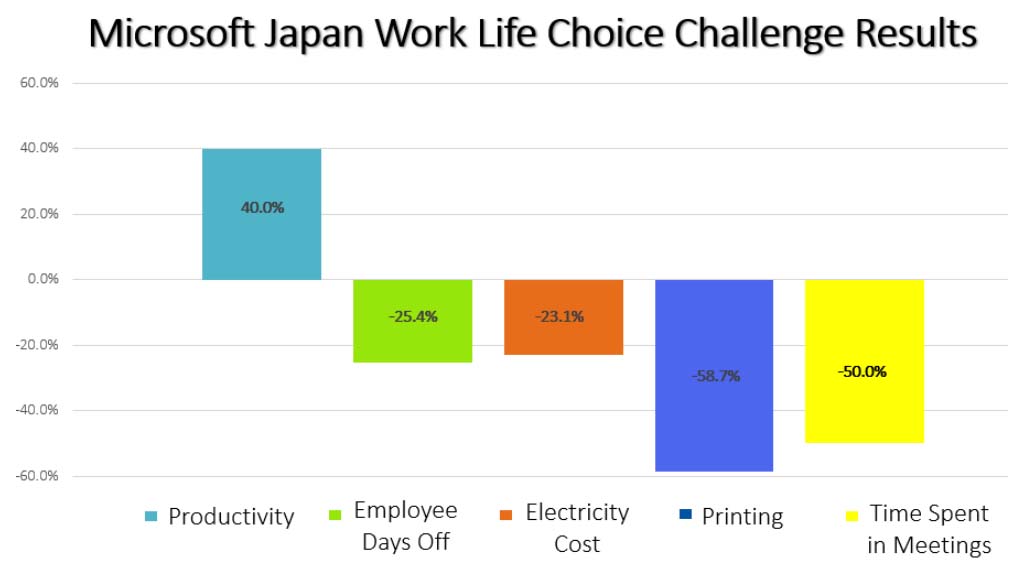
Posted in Research Position Paper | Leave a comment

Research – HurtNowitzki

Deion’s Run For Renaissance Man

Deion Sanders is once again changing the face of college football. The difference is, this time he’s left his cleats and jersey behind for a headset and tennis shoes. Throughout the past four years Deion or “Coach Prime” has taken a rather different route into coaching at the collegiate level some would even call mystifying. Coach Prime has now coached two individual collegiate football teams and has had success with both programs. 

Due to this success, Coach Prime has displayed his ability of powerful recruitment which in effect consistently leads to establishing what is known as a winning culture in programs that haven’t been able to find ways to win for some time. When coaches or other high-valued leaders assume their roles in any organization, their goal is to improve on their predecessors’ performance by implementing their own ideas. If the organization has done a lot of losing, the new leaders can make their mark by establishing a “winning culture.” 

Five-time best-selling author, Nathan Jamail via his website defines winning culture as “a culture that sets the stage for positive attitudes, high expectations, and successful performances.”

Recruitment is an essential aspect of achieving the successful performance portion of building a winning culture in college sports. Recruitment contains a few different levels. First and foremost the attraction phase. As the offseason begins universities all across the country will begin to plan and soon execute their shot at signing many of the nation’s highest-rated recruits.

This typically occurs in the form of a letter, a phone call, or even an email to show their interest in the respective recruit. Next, we move to the engagement phase. During this engagement phase coaching staff reach out to the recruits they want on their team. In efforts to secure the recruit coaches would invite them to visit the campus to get their initial sample of what the university has to offer. 

Coach Prime is equipped with one of the best personal recruitment arsenals in all of college football. It’s safe to say he is no stranger to having to evaluate talent effectively due to his successful athletic career where he was drafted fifth overall of the 1989 NFL draft class and flourished during a 14-year NFL career which landed him in the Pro Football Hall of Fame. It seems as if this ability to evaluate talent has transferred from his athletic career into aiding him now just as much as being a head coach.

Another attribute that aids Coach Prime’s recruitment techniques, which he obtained due to his legendary athletic career is his popularity. Before the Coach Prime Era, Deion “PrimeTime” Sanders was a Hall of Fame athlete as well as a TV personality known across the country. Today, because of his popularity it provides him with the element of celebrity endorsement when recruiting.

In “Celebrity Endorsements: a literature review and research agenda” authors Lars Bergkvist and Kris Qiang Zhao propose the definition, “a celebrity endorsement is an agreement between an indi- vidual who enjoys public recognition (a celebrity) and an entity (e.g., a brand) to use the celebrity for the purpose of promoting the entity.”

Coach Prime’s element of celebrity endorsement essentially sweetens the pot when he aims to attract recruits. Coach Prime always has had the lights on him, and they shine a little more now that he is coaching. Stepping into coaching his light begins to widen also making his players shine within the media significantly more than if they were to go play at another organization. This increased exposure aids players within Coach Prime’s team with many opportunities they may not have the chance to explore if they were to play elsewhere. 

After the engagement phase recruits are to weigh the options and soon enough to be prepared to commit the school for the upcoming school year and football season.

Once the recruits join the program. The following portion falls under the positive attitudes and high expectations category. Essentially setting a standard, which is crucial to establishing a winning culture. Ensuring players know and understand what it takes to reach the goal of significant improvement compared to previous seasons under former leadership. 

“Instilling a winning culture requires changing how people think about the company and altering habitual behaviors.” 

Although it may appear like it doesn’t fall directly into the recruiting category, to change mindsets in efforts to build this winning culture in a team requires the coach to recruit players that are both coachable and receptive and then successfully integrate them with the team they’ve taken leadership over.

Due to poor performance in previous seasons, a team could be lacking in numerous areas, as stated before recruitment could play a huge factor. However, morale within the team plays a key role as well. For a team to consistently want to improve there must be a goal that as a collective they all want to achieve. Whether the motivation is to prove the media wrong or simply change the organization’s public image in and out. Coach Prime has shown his ability to effectively instill this prosperous mindset into the teams he’s coached. In a brief bibliography covering Coach Prime’s time in their organization, Jackson St.’s football page the team states:

“On the eve of his two-year anniversary with the program, Sanders reflected on the changes he’s seen at Jackson State (3-0, 1-0). It’s fitting that two years under Sanders comes after a dominant 66-24 victory over Grambling State on Saturday. The second game of Sanders’ tenure began with a 33-28 victory over Grambling State, JSU’s first victory over their SWAC rival since Nov. 3, 2012.

“These guys that we have in the locker room now have a burning desire to make it to the next level,” Sanders said. “They take this game seriously. They know this game can rescue generations and give wealth to generations. They’re serious about it, unlike when we first got here.

This is just the tip of the iceberg of what Coach Prime’s amazing recruiting skills have done for not only the teams he’s coached but also how he’s changed the game of Collegiate Football.

Taking a closer look into Coach Prime’s time with The Jackson St. Tigers (2020-22) and The Colorado Buffs (current). Two collegiate football teams that have undergone successful changes in leadership and in turn established a winning culture. It’s apparent that not only building but maintaining a “winning culture” is a high priority in just about any level of athletics. Proper coaching is a big part of building this culture. 

NFL legend and current Head Coach of the Colorado Buffs Football Team, Deion Sanders seems to understand the formula to a science. Coach Deion Sanders throughout the past 4 years has displayed his understanding of building a winning culture with emphasis on recruiting. Deion Sanders to this date has now been head coach of both of the teams who before his arrival had little to no success in just about any area of football.

From one organization to the next, one steady element of Coach Prime’s success is his ability to attract and secure some of the highest-rated recruits. Coach Prime started his coaching career at the high school level before moving onto the collegiate level where he coached Jackson St. University, a NCAA Division I Football Championship Subdivision team. Before Coach Prime’s arrival, the team had finished their previous season with a record of 5-5 and the year prior a record of 8-12.

Now those numbers aren’t necessarily abysmal however in comparison to the seasons Coach Prime was able to produce with the program he built compared to the seasons before his arrival it may begin to provide a better understanding of what his impact amounted to.  Later in the aforementioned passage from Jackson St. Football the team states:

“In Fall 2021, Sanders led Jackson State back to championship glory with a school-record 11-win season and the first Southwestern Athletic Conference football championship since 2007. JSU went undefeated in conference play (8-0) and won nine consecutive games to complete the regular season en route to the SWAC Championship and the program’s first-ever berth in the Celebration Bowl.”  

Coach Prime’s impact was displayed on and off the field. So much so that, even just as much as the fact that his name was attached to a subdivision DI college football team their viewership per game drastically improved. The Jackson State Football Team also states:

With viewership for the first two games surpassing more than 200,000 online views on ESPN3, the power of Coach Prime and JSU transformed the network and led to the final four contested games of the spring season televised on linear television on ESPN or ESPN2 as JSU posted a 4-3 record.” 

Another article, this time by Micheal McCarthy of the Front Office Sports page side notes “Colorado vs. CSU grudge match draws ESPN’s biggest late prime-time audience.” These numbers wouldn’t come anywhere near as high without the involvement of Coach Prime.

Coach Prime’s reputation which dates back to his legendary football career to as a far as a sports analyst is a heavy benefit for overlooked teams when his name is attached to them. This increased viewership and the team’s success eventually leads to more players wanting to play under Coach Prime and also setting up his players with more exposure to get them to the next level.

Due to his quick success and ability to change the culture of the program of The Jackson St. Football from an “underground” level program to a now more exposed, winning, and respected program Coach Prime was presented with many awards. Some of these include “SWAC Coach of the Year” and “Black College Hall of Fame Coach Of the Year in 2021” amongst many other awards he received during his time with the program. Coach Prime’s achievements within his short tenure with the team was heavily admired by the sports world. Coach Primes’ understanding of flipping the culture of an organization was in full effect and he and his team were feeding the world with as much evidence as they could bear.

After 3 years with Jackson St. Coach Prime decided to take his skillset to the next level of collegiate football. Sanders was hired at The University of Colorado which at the time raised many eyebrows and even infuriated some. The world’s initial reaction consisted of questions such as “If he intended to provide HBCU football programs with more exposure why would he leave?” and “Why would he choose Colorado, they have been one of the worst teams in college football for years.” Coach Prime’s decision to take the role at The University of Colorado truly took the world by storm.

Similar questions and viewpoints swirled through the media for some time. However, as the season came closer to beginning fans and media critics quickly shifted attention from “What he could’ve done if he did stay at Jackson St.” to “What will he do now that he’s at Colorado?”

With his move to Boulder, CO Coach Prime brought some more luggage other than his belongings. Prime also recruited his two sons who played for him at Jackson St. and got them to play for him at Colorado. Along with his children, Prime convinced athlete Travis Hunter to follow and play for him at Colorado, which can be seen as a sign of trust and loyalty between Prime and his most notable signing. Amongst those three, Coach Prime also signed high-rated recruits going into the 2023 season. According to an article posted to Bleacher Report by author Timothy App: 

Colorado is getting a major boost in the secondary with Hunter and McClain. But the Buffaloes are also getting a bunch of skill-position talent, including 4-star running back Dylan Edwards and 4-star wideouts Adam Hopkins and Omarion Miller. After that trio, Colorado will have 24 incoming 3-star freshmen. Colorado’s transfer class also ranks No. 5 in the nation, led by Hunter’s defection from Jackson State. The Buffaloes are also getting Sanders’ son, 4-star quarterback Shedeur Sanders, and four other 4-star transfers: linebacker Demouy Kennedy, interior offensive lineman Yousef Mugharbil, tight end Seydou Traore and wideout Jimmy Horn Jr.

The ability to consistently attract and secure top rated recruits remains the main ingredient of Coach Prime’s recipe to establish a winning culture within his team. Prime’s evaluation of talent has once again pushed his legacy to new heights.

Many critics have Coach Prime’s recruiting and roster management techniques under significant ridicule due to his harsh delivery and what some perceive as a diva attitude. However, I’d like to point out that those same attributes many are against and criticizing may not be as bizarre as the world sees them and in fact may be what attracts the likes of high-level or star recruits in the first place.

As the season concluded Coach Prime’s Colorado Buffs finished with an overall record of 4-8. Now that isn’t the greatest show out for a team that had the anticipation of Colorado before the season due to their acquisition of Coach Prime. However, it is still an improvement compared to their overall record from the previous year, where they finished 1-11 under head coach Karl Dorrell. Due to this improvement in their win-loss record, it would be a sign of ignorance to declare that Coach Prime hasn’t proved himself worthy of the position but also displayed his knowledge of the game itself.

Ari Wasserman, a senior writer for The Athletic published an article titled “Deion Sanders’ poor recruiting results major issue for Colorado’s build.” In this article, Wasserman makes a claim in regards to Coach Prime’s blunt honesty with his players and their value within the team,  “That’s treating players like commodities, and it’s a tough sell for future recruiting efforts, both in the high school ranks and in the portal.” Even though there may be some truth to this statement, it seems Wasserman may have a small amount of bias when it comes to Coach Prime and his team.

“Treating players like commodities.” In this statement, Wasserman neglects to acknowledge the amount of pressure Coach Prime is enduring as the world waits for him to turn yet another struggling program into a more feared and winning one. As stated earlier in my writing it only took Coach Prime roughly a year to turn Jackson St. into a winning football program who maintained this winning culture throughout his time there. To do this, Coach Prime bolstered his roster with many high-rated recruits and as the season began, based on his judgment of their performance put better players in starting positions.

 Now, on a nationally televised Division I level the world awaits Coach Prime’s triumph yet again. It is ridiculous to think that he would take his foot off the pedal, viewers must realize that Coach Prime’s main focus is to build his team and put them in the best position for them to succeed. This means that if he feels as though the players on his roster aren’t meeting expectations he has the right to sit them or even suggest a transfer to another program with a system they may fit better in.

In the article, Wasserman also brings into question the physical aspects of Prime’s recruiting. Wasserman states “Then it got me thinking: When was the last time you saw a picture of Sanders at a high school? Or doing an in-home visit?” As we read we find that during the recruitment of arguably Coach Prime’s best signing in his coaching career Travis Hunter who played for him at both Jackson State and now Colorado did not include Prime visiting the High School for which Hunter played. Instead, this 5-star player’s recruitment consisted of something as minimal as a Facetime call.

When diving into Coach Prime’s recruiting techniques it’s evident that his reputation plays a huge factor in that not too many think of when commenting on the efficiency of his recruiting itself. 

Wasserman claims “You may call that powerful recruiting, and it is. But that isn’t going to cut it when you’re trying to build a Power 5 program.”  The issue with this statement is that if Coach Prime was able to attract and sign who was said to be the nation’s highest ranking recruit in the class of 2022 among other notable recruits to low exposure and struggling program via a series of video calls and have success with the program. How could we possibly dismiss the idea of him having the same impact going into this next year after Colorado showed an improvement compared to previous seasons under other leadership?

Later in the article, Wasserman makes the claim “Eventually, though, Sanders is going to have to stop being a celebrity and start being a Power 5 football coach.” This statement stood out more than anything else mentioned previously in the article. For this statement, I want to divert our attention to Deion Sanders’ legacy before coaching. Deion Sanders was a Hall of Fame, multi-sport, multi-positional athlete whose impact as well as success earned him the nickname “PrimeTime.”

As stated previously Deion Sanders’ legacy as an athlete is what makes him the iconic coach everybody has their eyes on as he entered his stint with The Buffs.

Due to Deion’s success as an athlete under his leadership, his players gain more exposure for playing under his leadership and even are presented with the opportunity of meeting and possibly making connections with some of the world’s most popular celebrities. This interaction is described in “What it’s like to be recruited by Deion Sanders” an ESPN article by Staff Writer, Tom Vanhaaren. Vanhaaren recalls Colorado’s game against Colorado in early October. 

“WHEN ADRIAN WALKER scheduled his unofficial visit to Colorado for the Week 3 game against Colorado State, he had no idea he’d be there with Lil Wayne, Master P, Offset, and Dwayne “The Rock” Johnson. But that’s exactly where Walker and the other recruits on campus found themselves, in what is now the new norm with Deion Sanders and the Colorado Buffaloes. It’s not just locker room tours and meetings with coaches, recruits are seeing a whole different pitch from Sanders and his staff.”

In a YouTube segment titled “Deion Sanders is pulling off something INCREDIBLE right now in Colorado” Sports Analyst and TV Personality Stephen A. Smith mentions a statement made from The Buffs’ in-state school rival’s Head Coach Jay Norvell, who just as many others attempted to shame Coach Prime for his alleged diva antics ahead of their week 3 game. This time in in regards to Coach Prime’s hat and signature sunglasses he wears in interviews and press conferences. Coach Jay Norvell states, “When I talk to grown-ups I take my hat and my glasses off.”

In light of this statement from Norvell, Coach Prime retaliated by insisting his team, staff members, and fans show up to the game in their hats and sunglasses to display the irrelevancy of Coach Norvell’s statement. Coach Prime’s Buffs went on to win the game, posting record breaking viewership numbers for ESPN. Later in the video, Stephen A. commemorates Coach Prime’s ability to shift the culture and face of college football.

As a leader, as a recruiter, as a leader of men, as a football mind, as a talent evaluator, the opportunities that he’s opened up for coaches and players from “HBCU’s”. That’s Historically Black Colleges and Universities… is pivotal. It’s big because seeing what he sees, there’s only one, he’s one of one there’s only one “Primetime” Deion Sanders. But because of the talent that he’s brought with him, everybody knows that he isn’t succeeding by himself. He doesn’t fail to give his players credit, he doesn’t fail to give his coaching staff credit and if you’re getting them from HBCU’s and they’re succeeding it’s going to put ample pressure on College programs and NFL franchises to recognize what HBCU’s may indeed have to offer. That is culture changing, that is what Deion Sanders has pulled off . Every college football program gonna ask now “where’s my Deion Sanders?”

Despite what opposers may believe, Coach Prime and all he brings to the table benefit not only the teams he’s coached but also game of College Football as a whole. His achievements are nothing short of remarkable.

References

Bell, J. (2023). “Behind the scenes before Deion’s debut.” USA Today https://go-gale-com.ezproxy.rowan.edu/ps/i.doid=GALE%7CA762976253&sid=googleScholar&v=2.1&it=r&linkaccess=abs&issn=07347456&p=AONE&sw=w&aty=ip&enforceAuth=true&oweAuth=true&userGroupName=rowan&u=rowan

Bergkvsit, L., Qiang Zhao, K. (2015, December 26). Celebrity Endorsements: a literature review and research agenda. Routledge https://web-s-ebscohost-com.ezproxy.rowan.edu/ehost/pdfviewer/pdfviewer?vid=0&sid=a0fc7d40-2ca9-4a11-89be-c42e99e8d354%40redis

Deion Sanders (2011) – Hall of Fame . National Football Foundation. (2011). https://footballfoundation.org/hof_search.aspx?hof=2313#:~:text=Selected%20fifth%20overall%20in%20the,Washington%20Redskins%20and%20Baltimore%20Ravens. 

Jackson State University. (n.d.). https://gojsutigers.com/sports/football/roster/coaches/deion-sanders/219 

McCarthy, M. (2023, September 25). Colorado’s epic win sets new ESPN prime time viewership mark. Front Office Sports. https://frontofficesports.com/colorados-epic-victory-sets-new-espn-prime-time-viewership-record/ 

Meehan, P., Rigby, D., & Rogerss, P. (2014, August 7). Creating and sustaining a winning culture. Harvard Business Review. https://hbr.org/2008/02/creating-and-sustaining-a-winn-1 

Newsome, L. (2022, September 20). How Deion Sanders changed Jackson State from “pickup football” to “burning desire” to make NFL. Clarion Ledger. https://www.clarionledger.com/story/sports/college/jackson-state/2022/09/20/deion-sanders-first-two-years-jackson-state-football/69503378007/ 

Rapp, T. (2023, February 1). Examining Deion Sanders’ 2023 recruiting class in 1st year as Colorado HC. Bleacher Report. https://bleacherreport.com/articles/10063834-examining-deion-sanders-2023-recruiting-class-in-1st-year-as-colorado-hc 

VanHaaren, T. (2023, October 4). What it’s like to be recruited by Deion Sanders. ESPN. https://www.espn.com/college-football/story/_/id/38555810/how-deion-sanders-recruits 

Wasserman, A. (2023, November 29). Wasserman: Deion Sanders’ poor recruiting results major issue for Colorado’s build. The Athletic. https://theathletic.com/5094370/2023/11/28/deion-sanders-colorado-recruiting-decommitment/# 

Whitley, D. (2023, April 28). Deion Sanders’ football purge at Colorado could use a touch of humanity. Gainesville Sun. https://www.gainesville.com/story/sports/columns/2023/04/28/deion-sanders-guilty-of-unnecessary-roughness-with-colorado-housecleaning/70147949007/ 

Posted in Research Position Paper | 1 Comment