The video begins with a lively family celebration, possibly for Gracie’s birthday, with everyone gathered in high spirits. Amidst the festivities, Pedro slides down the stairs, and a playful scuffle erupts between Gracie and Pedro. The family intervenes humorously, locking them in a pet cage.
0:04-0:11
the playful pair, now locked together, imagine a dreamlike moment where they share a friendly handshake. Suddenly, the cage jolts and drops to a new location. Meanwhile, the mother is shown fastening her son’s seatbelt in the car with care, underscoring her vigilance about safety. At home, Pedro and Gracie continue their antics. The child scratches Pedro’s back in a way that brings visible relief and satisfaction to the pet.
0:12-0:18
Gracie and Pedro are shown riding a horse. The lighthearted adventure turns chaotic as Pedro hilariously gets tangled in the horse’s tail. Another scenario unfolds where a game ball lands in a fish jar, causing the fish to jump out, leading to a scene where pets, including rats, are gathered. The chaos appears to emphasize the consequences of neglecting safety measures like fastening seatbelts.
0:19-0:22
the boy is depicted carrying Pedro securely, demonstrating his attentiveness. The scene then shifts to Gracie and Pedro enjoying a day at an amusement park. Throughout these activities, the mother remains diligent, ensuring her son’s seatbelt is securely fastened.
0:23-0:25
Gracie and Pedro exhibit a newfound awareness about the importance of seatbelt safety. They take on the role of safety ambassadors, encouraging everyone to buckle up. Adding to the whimsical tone, a rabbit throws a magician’s hat, adding a touch of fun to the safety message.
0:26-0:30
a clear reminder of the vital importance of wearing seatbelts for safety. It directs viewers to visit NHTSA.gov/TheRightSeat for more information, wrapping up the message in an engaging and informative way.
Background: The research shown in this article is about a study on 215 dogs on whether or not some breeds of dogs have certain characteristics that lead to separation anxiety.
How I USED IT: This will be used for my causal argument as one of the reasons why dogs may gain separation anxiety.
Background: This article focuses on which certain breeds experience anxiety over others.
How I intend to use: I will use this piece as a basis for what types of dogs have anxiety, as it is stated in the article, all dogs can have anxiety, which helps prove ym point.
Background: This article focuses on what separation anxiety is and how it can be combated.
How I intend to use: This will be used in the definition argument as it gives background information on what separation anxiety in dogs is and what the effects tend to be. It will also be used in my causal argument as it argues causes of separation anxiety.
Background: The research in this article is designed to show the effects of certain anxiety medications on dogs.
How I intend to use: Like the first source I intend to get a basic understanding of how separation anxiety works for dogs. This includes understanding the treatments that are used for dogs to take care of their separation anxiety.
Background: This article focuses on how environmental and genetic factors into a dogs gaining separation anxiety.
How I intend to use: I intend to use this source in my causal argument for the reason why dogs gain separation anxiety. Though I will mostly focus on the environmental aspect as my rebuttal argument is on genetics.
Background: This paper touches on all aspects of what separation anxiety is, how it is caused, and what can be done to combat anxiety in dogs.
How I intend to use: I will use this across all three of my essays to help define what anxiety/fear is for a dog, as well as using the paper to find causes of separation anxiety in dogs then combat the main argument of this research paper which is genetics.
Background: A simple google search for a simple answer of how to handle dogs separation anxiety.
How I intend to use: While this is not a peer reviewed article it is still useful to look up any sort of information on how to combat dog anxiety since most dog websites are meant for things like that. I will use this information for backup proof of what should be done with dogs who have anxiety.
Background: This website goes over typical behaviors of dogs that may gain separation anxiety.
How I intend to use: For my definition argument I will use this source to identify the behaviors that dogs exhibit when they are dealing with separation anxiety or gaining separation anxiety.
Background: This article goes over the benefits of the COVID lockdown and how it will combat the COVID-19 pandemic.
How I intend to use: This source will be used to have a basic understanding of what happened during the COVID lockdown, mostly for my definition argument.
Background: This article focuses on certain factors that may influence separation anxiety in dogs such as over attachment problems between the owner and dog .
How I intend to use: I will use this as a basic understanding of how certain things may cause anxiety in dogs.
Background: This focuses on the genetic factors that play into the development of anxiety in dogs.
How I intend to use: I will use this as a basis for my rebuttal argument so I know what arguments to combat about reasons for anxiety that may be genetically inherited.
Background: The article is about how separation anxiety works in dogs, possible signs and behaviors that are shown.
How I intend to use: I intend to get a basic understanding of what separation anxiety looks like for dogs, how they feel and act. This will provide a base for my research.
Background: This website is about the signs of codependency in dogs and how to help a dogs through that problem.
How I intend to use: This website (not peer reviewed again- sorry) will be used as a tiny part of my definition paper as to how a co-dependant dog that may gain separation anxiety looks.
Background: This report goes over the effects and importance of socialization in a dog’s early lifehood.
How I intend to use: I will use this report to provide evidence on my rebuttal argument that not everything is caused by genetics, sometimes it can be a socialization factor.
Core Value 1. My work demonstrates that I used a variety of social and interactive practices that involve recursive stages of exploration, discovery, conceptualization, and development.
In my definition rewrite, I was able to properly utilize feedback from my rough draft as I reproached the topic. I was able to go back into what I had previously written and decided from there how to focus more on one aspect of my thesis rather then listing off a bunch of unrelated ideas. I was able to put the puzzle pieces together and find where I wanted to take that paper, as well as the other two parts. I was able to be more foucsed when writing and when I caught myself taking it in a different direction I was able to redirect it in a way that fit into the rest of the paper. When I realized I wanted to discuss AI art, and what I believe it’s doing to the human expierence, I knew what I wanted from my sources and felt they actually benifited me rather then just being forced into my paper.
Core Value 2. My work demonstrates that I read critically, and that I placed texts into conversation with one another to create meaning by synthesizing ideas from various discourse communities.
In my Causal Rewrite, I found it challenging to focus on other things that could have caused AI in it’s current form. In my rough draft I found that it was human greed at the root of it, but wasn’t really able to connect the dots. When I realized that social media is responsible for creating a world where AI could have so much influence I knew I wanted to be able to create a reasonable timeline from social media to AI. I used my sources for similar reasons but I used them all to create the connection between social media and AI. The sources themselves weren’t making that correlation but using them to prove my claims about social media, I feel I was logically able to connect the two.
Core Value 3. My work demonstrates that I rhetorically analyzed the purpose, audience, and contexts of my own writing and other texts and visual arguments.
While not my best of the three, I believe my work in my rebuttal argument made efforts to speak to the audience in a different way. I liked this promt because when making an argument theres no better way to make a point then to disprove someone who disagress with you. Anyone who may have been reading the previous two parts of the essay may have had their own disagreements and never stopped to question themselves. Craig Boehman is an artist who defends AI, which is not very common in this discussion, so by calling out his arguments and proving someone like him wrong I might have been able to sway some undecided readers.
Core Value 4: My work demonstrates that I have met the expectations of academic writing by locating, evaluating, and incorporating illustrations and evidence to support my own ideas and interpretations.
While it was a short assignment, I believe my Purposeful Summary, reflects these qualties the most. I was able to read the article and come at the topic with a reasonably blunt and realistic summary of the events. When discussing tragedy and violence, I find it best to be straight foward and honest with yourself and the reader. We all live on Earth, we deserve to know what happens here.
Core Value 5. My work demonstrates that I respect my ethical responsibility to represent complex ideas fairly and to the sources of my information with appropriate citation.
When creating my Research Paper, I tried my best to be fair to the reader. My personal vision of the future of AI is grim, and that “apocalyptic” view of the topic may have influenced part of it. Whether or not the reader is as filled with dread on the subject as I am, I still delivered them factual sources that accurately depicted the current state of AI and reasonably spelled out the future implications it has on our society. In my rough draft, I was trying to connect dots that weren’t there and exaggerated the extent of some of my sources. When rewriting, I was able to find more logical connections between sources and more accurately depict them.
Background: This article dives into AI being used to create misleading captions on social media posts.
How I used It: I used this article for my rough draft, and while it didn’t end up in my final draft it was still interestesting to see how AI has been used for fradulent and misleading purposes.
Background: This article goes into detail about deepfakes, where they came from, how to detect them, and how AI can produce them. It also brings up implications it has on society and privacy.
How I used It: I used this in my rough draft to bring up a specific example of how deepfakes can create false nude or explicit images of people to be used as blackmail.
Background: This article discusses artist Greg Rutkowski whos digital paintings have been mentioned in AI image generator promts over 400,000 times. The article raises the question if artists like Greg should be compensated or at least asked for permission before AI compiles all of their work.
How I used It: I used this to bring up the fact that AI image generation is not really unique or original and it basically just steals from other people.
Background: This article talks about videogame company employees who are concerned about the future of their job with AI in the workplace.
How I Used It: Used this article to highlight another way that AI is stealing from artists, many employees reported that their bosses were using AI in place of people who had been let go. This article helped me show that AI is being used to replace humans, not help them.
“The Birth of Artificial Intelligence (AI) Research.” The Birth of Artificial Intelligence (AI) Research | Science and Technology, st.llnl.gov/news/look-back/birth-artificial-intelligence-ai-research. Accessed 8 Dec. 2024.
Background: This article goes over the history of AI, and the first time it was used to emulate a human conversation on a computer.
How I Used It: I used this just to show how quickly AI has evolved and to support my claims that AI will rapidly evolve to a place of intelligence beyond our own.
Background: This article goes over the history of AI generated images. It started with creating a zebra out of a picture of a horse, but it was fuzzy and unclear. It discussed other forms of AI generated content and the earliest ever images to be completely generated.
How I Used It: Also used this article to show how quickly AI is evolving, AI Image generation in particular has only been around for a couple of years.
Background: This article talks about the effect of social media on teenagers and the drastic effects it could be having on their mental health.
How I Used It: I used this article to support my claims that like AI, social media can be devastating for mental health and push people into isolation. This is also to show previous forms of technology that haven’t had positive effects to highlight my fears of AI.
Background: Similar to my last resource, this article talks about solid evidence that social media is harmful to it’s users.
How I Used It: To show that previous forms of technology that have been integrated into peoples lives without much of a say, have been damaging to their mental health.
Background: This article goes over employee leaks from Facebook that claim Facebook is aware of the negative mental health effects their app has on young woman, yet remain to do nothing about it.
How I Used It: Used this to show that even if the people developing AI knew about it’s dark potential, they would make it anyway.
Boehman, Craig. “In Defense of AI Art.” Craig Boehman, 13 June 2023, craigboehman.com/blog/in-defense-of-ai-art.
Background: Craig Boehman is a former photographer/current AI apologist who claims AI is good for art and helps him to create.
How I Used It: I proved him wrong by pointing out flaws in his biggest points and comparing his old art to his new AI art.
Core Value 1. My work demonstrates that I used a variety of social and interactive practices that involve recursive stages of exploration, discovery, conceptualization, and development. For my definition argument I rewrote it two times trying to improve my writing. Each time I made a new development of how I went about writing my paper after getting feedback from my first draft. The first draft of my definition argument took a lot of research to put together as well as the other versions of my paper. I explored and discovered different concepts of anxiety that dogs experience and defined the details of what anxiety is. This was my most rewritten paper and I probably could have rewritten it more but didn’t being okay with the grade given. Defintion Argument
Core Value 2. My work demonstrates that I read critically, and that I placed texts into conversation with one another to create meaning by synthesizing ideas from various discourse communities. I used many sources for my research paper, twenty-nine total. With each source I provided the purpose behind it and then the reason I used it for or will use it for. By using my sources I was able to combine my three papers into one full research paper. I discovered different points of view from the sources that either supported my claim or went against it but both were helpful since I had to complete a rebuttal argument. Annotated Bibliography
Core Value 3. My work demonstrates that I rhetorically analyzed the purpose, audience, and contexts of my own writing and other texts and visual arguments. This was done through my small research proposal. With the start of my annotated bibliography and my thesis proposal I was able to create and analyze the purpose of my paper. The start of my annotated bibliography gave the context of my writing and the purposes behind my use for them. As for the audience I tried to address that in my thesis and definition argument, as I defined certain things for a specific audience that basically knows nothing about COVID Dogs (pandemic puppies). https://wordpress.com/posts/my/rowancomp2.comhttps://wordpress.com/posts/my/rowancomp2.com
Core Value 4: My work demonstrates that I have met the expectations of academic writing by locating, evaluating, and incorporating illustrations and evidence to support my own ideas and interpretations. This was shown through my purposeful summary or annotated bibliography. I used multiple different sources to support my writing. With the multiple sources I provided an explanation of what they provide evidence wise and how I will use each source. I believed that dogs who were gotten during the COVID pandemic lockdown were more prone to having separation anxiety, and while that was hard to prove and I could have done better with my sources like going to an actual vet and asking for records of anxiety during the COVID era. https://wordpress.com/posts/my/rowancomp2.com
Core Value 5. My work demonstrates that I respect my ethical responsibility to represent complex ideas fairly and to the sources of my information with appropriate citation. With each paper I made sure to provide more than enough sources to back my evidence and with each rewrite I quoted each source and made sure to cite them properly. I take this part of my writing very seriously as any sort of plagiarism is not to be tolerated. As a writer I want either original work or work that is being used but also being given credit. https://wordpress.com/posts/my/rowancomp2.com
Background: This significant Supreme Court decision held that corporations and unions have the same First Amendment rights as individuals regarding independent political expenditures. The ruling allows these entities to spend unlimited funds on political advertising, significantly impacting campaign finance laws.
How I used it: I used this to understand the legal framework surrounding corporate influence in politics. It provided a foundation for analyzing how corporate funding can affect the spread of misinformation and fake news in political campaigns.
Background: Citron and Chesney examine the rise of deep fake technology and its implications for privacy, democratic integrity, and national security. They discuss how advancements in machine learning make it easier to create convincing deep fakes, which can be used maliciously to spread misinformation, manipulate elections, and damage famous peoples’ reputations. The authors also explore potential solutions, including legal frameworks, technological solutions, and regulatory measures to reduce the threats posed by deep fakes.
How I used it: I used this for understanding the multifaceted risks associated with deep fake technology. It provides a comprehensive overview of the challenges deep fakes present to society and offers insights into possible strategies for addressing these issues.
Background: This paper examines the rise of fake news, particularly during the COVID-19 pandemic, and explores the challenges in detecting and mitigating its spread. It reviews existing detection methods, identifies their flaws, and proposes interventions from various people – including users, platforms, and governments—to effectively combat fake news.
How I used it: I used this source to gain a comprehensive understanding of the multi-stakeholder approach required to address fake news. The discussions on technical and policy interventions provided valuable insights into the limitations of current technologies and the necessity for integrated solutions, supporting my argument for more advanced detection methods.
Background: This article comprehensively covers deep learning-based deepfake detection methods for images, videos, audio, and hybrid multimedia content. It further discusses advances, current challenges, and future areas regarding deepfake detection for combating AI-generated misinformation.
How I used it: I used this source to learn how the technologies of deepfake detection work at the moment and how effective they are in holding back sophisticated AI-generated content. The analysis of the limitations and weaknesses of the existing detection methods in the article provided a backbone for my argument that current technologies cannot adequately detect advanced AI-generated misinformation.
Background: The article covers how AI-generated deep fakes pose a threat to American elections. According to Painter, “very realistic fake media” can make people believe something that isn’t true about a politician. He connects this problem to the Court’s decision in Citizens United, which gave rise to dark money in politics and, subsequently, it found easier ways for actors who wish to remain anonymous to affect the outcome of an election with disinformation. The article highlights legal challenges in regulating deep fakes and suggests solutions like a “Deep Fake Alert System” to identify and flag manipulated media
How I used it: I used this article to show how present technologies and legal frameworks are unable to deal with the AI-generated misinformation spiraling out of control in politics. This supported my argument that existing mechanisms for detection and current policies cannot effectively respond to sophisticated AI-powered disinformation, emphasizing that even more robust solutions need to be developed.
6. Raman, Raghu et al. Fake news research trends, linkages to generative artificial intelligence and sustainable development goals. Heliyon, Volume 10, Issue 3, e24727 Background: This paper revisits the transformation of research into the realm of fake news during the last decade. Some major themes identified include disinformation on social media, COVID-19-induced infodemics, and technological auto-detection advancements. The article uniquely maps deep fakes research to Sustainable Development Goals—with special emphasis on health and peace—and discusses its impact on SDG 3,SDG 9 , and SDG 16. Furthermore, the authors discuss the contribution of generative AI in propagating realistic fake news and raise several important ethical concerns.
How I used it: I used this to focus on the aspect of how AI-generated misinformation challenges all the current technologies for detection. This further cemented my hypothesis that current technologies in place are not enough. The impact generative AI is capable of creating, and the ethical dilemmas involved will give yet more credibility to the reasons a more advanced detection method needs to be developed.
Background: This research investigates the global issues related to misleading advertisements on social networks. The authors applied various artificial intelligence techniques, including neural networks, sentiment analysis, and machine learning, to combat fake news, particularly in COVID-19. The study concluded that current AI methods being used were not effective in deeply identifying misleading news and lacked real-time application capabilities.
How I Used It: I used this source to highlight the limitations of current AI technologies in detecting and preventing AI-generated misinformation on social media platforms. The findings support my argument that existing detection methods are insufficient, underscoring the need for more advanced and real-time solutions to effectively combat misinformation.
Background: This article highlights the dual face of AI, where potential benefits lead to significant risks linked to misinformation and hallucinations generated by AI. The authors further discuss how enhancements in large AI language models are likely to increase blurring the line between reality and fabricated information.
How I plan to use it: I used this article to point out the deficiency in current AI technologies in efficiently detecting and preventing misinformation generated by AI. It further discusses the potential of AI to manipulate decisions and create misleading content, and it justified my assertion about the incapacity of existing systems in handling advanced challenges related to AI-generated misinformation. This suggested a greater need for more stricter ethical guidelines and effective methods of detection that have been the core of my research.
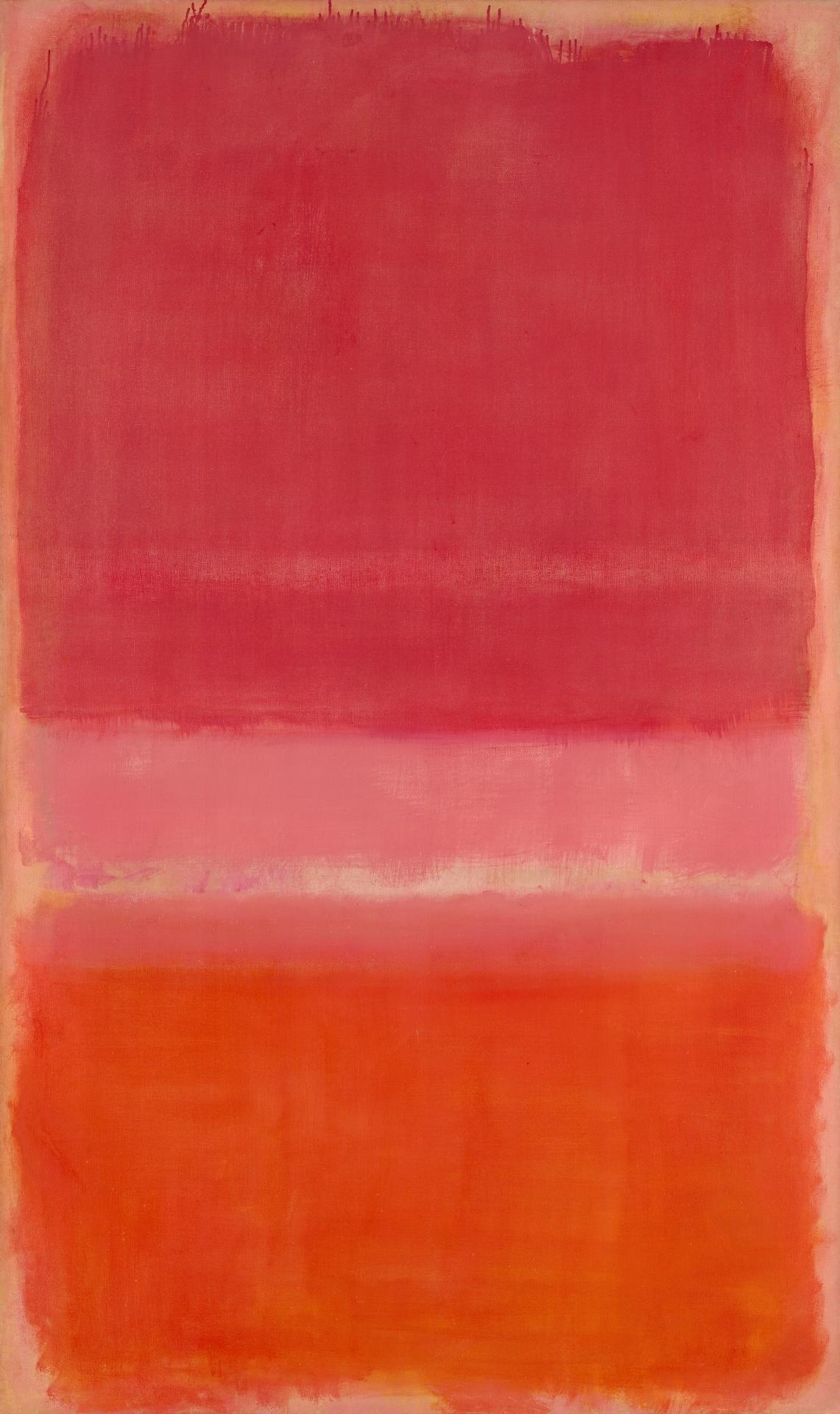
Art lovers expect plays and even paintings to address social issues, but not to find solutions or preach to us at all.We’d like to know what a painter intended, but we reserve the right to disagree. We’re in charge of our reactions. Once the paintings are on the gallery walls, without the artists there to explain, we will feel how we feel about the paintings and not apologize. However passionately artists intend to convey their messages, they expect us to misunderstand, and we know we’re only guessing at their motives. In the final analysis, we are the arbiters of what the paintings mean. The painters may paint with their own blood, but we will shrug and move along if the canvases don’t move us. The conflict between what artists intend and what their paintings mean to viewers is the subject of the play Red by John Logan, in which, on Broadway, Alfred Molina played the part of abstract expressionist painter Mark Rothko.
In Red, the artist portrayed tries to address and defend the very core of his painting while simultaneously being frustrated with the idea of consumption. Rothko painted abstract images to elicit severe emotional reactions, yet in his eyes, his audience consisted of reductionists who did not get the whole picture. Rothko and his assistant, Ken, debate whether or not art has any function at all if it does not fulfill the needs of the viewer. Ken puts pressure on Rothko to relinquish his dogmatic approach, Red discusses the issue of interpretation and if the audience can understand the artists’ true objective by just viewing the art.
Observing art does not enable one to determine what the work’s creator considers significant about the piece. Rothko’s progression in Redexemplifies this chasm because his conceptions are only part of the process; the viewer also has a say in determining the meaning of his work. This breach between the artist and viewer is only widened by the utterly abstract nature of Rothko’s work. There is a philosophical and dynamic distance between the art maker and the beholder in a piece of art’s meaning-making. Therefore, “Viewing art is not a good guide to understanding what the artist feels is important about the art.”
Representational art may not require or invite the viewer to challenge the intended meaning of a piece, unlike abstract art, which has a viewer question if there is any meaning to a piece at all. The openness renders the work particularly vulnerable to interpretative distortion as people impose their feelings, biography, worldview, and tastes onto the content. Red is a play scripted by John Logan in which Mark Rothko incarnated the feelings of an abstract artist who is frustrated with his art’s viewers. The play demonstrates how Rothko’s monumental abstract canvases continue to be misjudged by the audience as simply provocations for an intense emotional response instead of seeing the art as an emotionally rousing endeavor and process that it was supposed to be.
One of the central tensions in Red is Rothko’s concern about how others would misuse his creation. In detail, he painted depressed paintings, termed his paintings timeless tragedies, and said that his paintings should surround people and make them think. However, owing to the highly abstract nature of his work, audiences can, by and large, end up missing the point entirely or engaging superficially with the work. Sometimes artists create art just for the sake of creating art, with no ulterior meanings or motives attached to a piece. However, it is in the viewer’s nature to give that artwork meaning in some way that is relevant to them. In this case, there will be a distinction between what the artist intended and what audiences subsequently translated as the meaning of the specific piece of art.
The Rogala et al. (2020) study argues, “According to the information theory, successful decoding of transferred information can occur only if the same encoding/decoding mechanism is at work in both the sender and the receive”. Relatable, shows that viewing art does not guarantee that one would understand. This shows that it is always hard to understand an artist’s pure and hidden meaning and intentions. An artist has an entire life of lived experience that led them to create a piece of art, and the viewer has life experience that allows them to see the art in a different light, but never quite the same as the artist. Hosseini (2019) articulates that Rothko is afraid that he might fail in history: “he adopts abstract expressionism for he thinks all previously adopted movement stop him from being a genius”. This shows that Rothko is afraid of how others might view his work and that they will not know his true intentions for his artistic works.
Consequently, the discrepancies between intention and perception are always present in any work of art. Hosseini (2019) argues that Ken is the voice of the newly changed audience member who finds it hard to parse through Rothko’s flowery language when describing his pieces. In the play, Ken questions Rothko’s views and points out that the artist’s desire to dictate the meaning of his artwork could be more fruitful. Thus, this reveals the struggle between authorial control and the consumer’s ludic meaning-making freedom. Just as Ken does not get frustrated with Rothko’s painted surfaces, Rothko is frustrated with the audience that needs to get the true meaning and authorial intentions of the work done.
Specifically, the problem is even amplified by the highly abstracted nature of Rothko’s paintings. Since abstract paintings lack precise shapes and histories, viewers are left alone to make their meanings that differ sharply from the artist’s purpose of the work. The problem of making one’s meaning is illustrated in Red when Rothko talks about the murals he painted for Four Seasons restaurant. He sees them as a respectful solemnity, almost venerated. Then, ironically, he steps away from the paintings, feeling they will be confined to somewhere they do not deserve to be. In the end, the decision amplifies Rothko’s idea that abstract artwork is highly susceptible to misuse if put in the wrong setting. Therefore, as abstract art can be beautiful and unique, due to the differences between intention and perception, an artwork can mean a lot, but it can also mean anything. Even in the contemporary world, it seems almost impossible to understand the particular intention of the artist. As a result, misinterpretation created by abstract art speaks volumes about several problems artists encounter in making others understand what they are trying to convey through a specific piece of art.
Art is never created in a vacuum, and both the artist and the audience have the chance to interpret and make meaning. It is common human nature to judge whatever one comes across, especially in the arts. In this case, encountering abstract work brings experiences, feelings, and prejudices. Soriano-Colchero and López-Vílchez reveal that “Aesthetic experience and the conceptual content of artworks show that art offers knowledge which goes beyond innovation.” Therefore, it is always hard to determine whether viewing the art will reveal the true intentions of the artists and what they think is essential for the piece of art.
Audience projection emerges as one of the central motifs in Red because Rothko points out the ignorance of those who do not contemplate his art. He complains that spectators visit his canvases with a specific focus, seeing only the beauty and feeling only pleasure. To Rothko, this misinterpretation is a betrayal; he expected his works to require a viewer to think, and many are unwilling to do so. However, Rothko needs help finding solace because everyone who views his work comes with their perception. Such conflict between the artist’s intentions and what the audience perceives a piece of art means showcases that art has a hidden meaning, which many people do not grasp.
It is clear to understand that artists have hidden intentions when creating any work of art. Therefore, if one gets the artist’s precise message and hidden intention, one would understand what is important based on the artist’s thinking. That is why Rogala et al. reveal that art is a form of expression whereby artists reveal hidden messages and communicate various aspects of culture. Therefore, one needs more than just viewing art to understand what the artist considers essential and valuable about art.
The dynamics of the relationship between the artists and the viewer demonstrate that people’s experience always influences the reception of a piece of art. This moment is the confrontation with the fact of projection, which, despite the author’s inspiration, is impossible to overcome when considering the audience. In many cases, the audience always and without exception will interpret the work based on its feelings. That is not always a flawed process; it allows people to embrace art at a very emotional level and forget about the meaning of the work created by the artist, even if the perception of such work is quite different from the true meaning of the art piece.
Primarily in Red, however, the argument of audience projection emphasizes the idea that it is impossible to arrive at that one perfect interpretation of art. All works of art are the way they are, as much by the viewer as by the artist, and Rothko’s paintings are no different. This is how one remains in the conversation and the proof of art’s challenge to the artist’s desire for control over their work. There will always be a disconnect between the artist and the audience.
Tension also illustrates how an artist’s meaning of work can differ from the actual audience’s perception. The split brings out crucial issues of the ownership of art, its purpose, and its occurrences in human life. As much as artists pour meaning and purpose into their work, each person will interact with art independently and uniquely. Rogala et al. believe this contradiction concerns the difference between the author’s intention and those who enjoy the work of art, representing a more extensive discussion of whether meaning is found in the work or the viewer. In Red, Rothko represents the classic artist-senescent type, insisting that his creation must be received as was intended. Unsurprisingly, he perceives his paintings as relics, objects created to instigate thought and feelings. For Rothko, the viewer has to embrace the art as intended to be to see its heaviness and hear its message with openness.
Rothko’s perspective bears testimony to the conventional view that the artist owns the work and is free to do what they want. However, the insistence on control is also traceable to Rothko’s belief. Rothko’s assistant disagrees with this; he opined that once the creation, particularly art, is made, it is not entirely the property of the artist that gave it life. For Ken, art is an experience that involves a democratic approach to engagement with the piece of art. He proposed that people should come to a particular piece of art with their own lives, feelings, and knowledge to apprehend the same as multiple. The concept stems from theories in short – meaning is relative and depends on the interaction between the artwork and the person experiencing the art piece. In Ken’s mind, art is a constantly changing thing that man needs because its impact is personal and goes through constant changes.
The difference in understanding between the artists and the viewer is evident in many works of art because one needs to analyze the work of art to understand the meaning it is trying to reveal. Ultimately, Hosseini argues that these contrasting views are apparent reminders that art is an individual creative representation and a social activity. Therefore, this proves that there can and must be a duality of sides between the artist and the spectator. The split guarantees that art stays relevant, diverse, and unmistakably people. Therefore, art attains its most significant force by occupying this zone of the intentional object.
The role of an artist or an observer and the conception of art might be debated by viewing Alfred Molina’s Red. The dynamic is good for illustrating misinterpretation and the lack of authority once meaning is set free, and artwork is in public. On this basis, the observed division has several consequences and affects the work of artists, art lovers, and art creation. The existential and psychological tensions between Rothko and his assistant, Ken in Red, include these broader issues and represent a view on art in human society.
On one of the essential aspects pointed out within the given discussion, it is possible to state that art is rather individualistic. In trying to state some profound truths or to provoke certain feelings in people, artists such as Rothko should realize that one cannot fit in the heads of everyone since, indeed, variety is the spice of life. The artists are always concerned about how their art will be viewed, thus proving that they do not believe that the viewer will understand what they consider important in the art. Anghel postulates that “However, what is commonsensical for common people is not adhered to by artists who have always been in search for the uncommon, the unfamiliar meant to personalize the work and their image”. Therefore, it shows that viewing art only sometimes guarantees that viewers will understand the art’s most important aspect, which may differ from the artist’s intentions. In most cases, the audiences may miss its hidden meaning while enjoying their freedom to interpret artwork independently.
Audiences approach artworks with their individual experiences imposed by age, nationality, and mood on the artworks. The subjectivity makes art-looking practice a highly individual reproductive of art interpretation that has no objective relation to the intention of the original creator of that artwork. To some people, this makes for the multiple-meaning characteristic of art, turning it into the kind of thing that one can give meaning to and then give it again ad infinitum. Furthermore, the liberalization of art understanding may also be regarded as a threat to the artist’s autonomy. Anghel argues that he also sees misunderstanding as not understanding his seriousness about his art direction, a sentiment echoed by several artists in all fields. This raises important questions about the ownership of meaning: Is a particular piece of art property of the artist who created it or property of the people who utilize it? The opposition poses aesthetical challenges, thus going against the popular cultural belief in the authorial control of art, focusing on the presence of meanings as a collective effort.
Secondly, one of them, which is at the heart of postmodernist art, is the location of art in consumer society. Rothko’s anger at his paintings’ commercialization epitomizes the problem of preserving art’s essence in an environment where music seems to prefer monetary value. In Red, the Four Seasons murals are reduced to such a symbol that creates an idea of how this culture most likely viewed the works as an aesthetic subject when separated from the environment they were initially designed for. Rogala et al. argue that it is a topical battle today because art now has to contend for the audience’s attention through several layers of technology and in disjointed bites. For instance, through social media platforms, the dissemination of artworks and their understanding has become obsessed with the picture’s simplicity or the hashtag.
Nevertheless, the artist’s alienation from the observer is the latter’s strength and the possibility of forming and developing the art. While the direct meaning of art is relevant in the context of the artist’s statements and ideas, the artwork per se ceases to be merely an object of its creator. It gathers various interpretations from numerous people, making art a living being. The openness ensures that art, in its eternity, always tends to impact the viewers at the intended time and space in ways the artist could not wholly predict.
Ultimately, how art is created, displayed, and contextualized can make the relationship between the artist and the audience closer or set a gap between the two. It is the role of museums, galleries, educators, or anyone in between to help facilitate these views while introducing contemplations that might inform the viewers’ interpretation, even though they have the right to their opinions. In Red, when Rothko decides to remind everyone that art has to be taken seriously, he prefers his paintings to be solemn to a fault. However, Ken’s comments regarding interpretations of Rothko’s work indicate that interpretation cannot be limited by how the creator envisions it.
Red, by Alfred Molina, is a provocative examination of one of philosophy’s most enduring questions on the extent of whether the artist or writer is responsible for a piece’s interpretation and overall meaning. In Mark Rothko’s fight for the conceptual ownership of the art and Ken’s assertiveness on the right to individual interpretation, the play presents the play/film’s core narrative conflict, creation, and reception. The division reemphasizes that art is a matter of interpretation as much as creativity, observation, and feeling. The general stakes of the divide establish art as an act of the autonomous artist and an event of common assembly. That is why, for example, Rothko can regard misinterpretation as betrayal while the fact of projection makes art perpetually unfolding, vital, and capable of addressing people of any age or culture. Finally, Red reveals that the role of a work of art is not in telling the truth or making references but in inciting, questioning, and connecting.
References
Anghel, F. (2020). Commonsensical Choices in John Logan’s Red. Philologia, 18(1), 31-40.
Botelho, T. (2019). … one part life and nine parts the other. Hungarian Journal of English and American Studies (HJEAS), 25(1), 129–142.
Hosseini, S. (2019). A Treat towards an Artist‘s Psyche: A Psychoanalytical Reading of‗ Red’by John Logan. International Journal of English Language & Translation Studies, 7(4), 34–40.
Rogala, J., Bajno, B., & Wróbel, A. (2020). A hidden message: Decoding artistic intent. Psych Journal, 9(4), 507-512.Soriano-Colchero, J. A., & López-Vílchez, I. (2019). The role of perspective in contemporary artistic practice. Cogent Arts & Humanities, 6(1), 1614305.
“The Noble Quran – the Holy Book of Muslims.” QuranOnline.net, quranonline.net/.
Background: The Quran addresses a wide range of subjects, including theology, worship, guidance for personal conduct, and social laws, with an emphasis on monotheism, justice, and compassion. Unlike previous scriptures like the Bible and the Torah, Muslims consider it to be the last and most comprehensive revelation from God. It is an essential part of Islamic worship and culture, and Muslims all around the world memorize and recite it.
How I used it: I believe that if I read the Quran and do a more in-depth examination, I will be able to understand and observe the opinions and the degree to which it impacts Islam. When it comes time for me to study the Bible, having a reference is essential.
Background:The Bible, which is regarded as the holy book of Christianity, is divided into two main sections: the Old Testament and the New Testament. Christians consider it to be the inspired word of God and the founding text of their faith and practice. The history of the Israelites, their triumphs, their wars, and their leaders—most notably the kings David and Solomon—are chronicled in these books, which include Joshua, Kings, and Chronicles.
How I used it: Any intelligent person can perceive that the Bible is the main source of Christianity since it offers an understanding of God’s will, human nature, and the path to salvation. I’d like to know more. I think that gaining a greater understanding of Christianity requires reading the Bible thoughtfully and attentively. This method involves more than just reading; it also involves applying the lessons learned to one’s own life and critically analyzing the text’s cultural, historical, and religious context. As a result, I consider the Bible before contrasting it with the Quran.
3. “Guide to the Book of Genesis | Key Information and Resources.” BibleProject, bibleproject.com/guides/book-of-genesis/.
Background: The article breaks down the beginning of the Bible’s genesis and highlights important themes. It facilitates a more thorough comprehension of how things happened and who was involved in the world’s upbringing.
How I used it: I now have a better knowledge of the origin thanks to the article. I can recount every tale in Genesis because I have read it multiple times on my own, but I want to highlight some of the most significant concepts so that I can later compare them to the Quran.
Background: a dissection of the Quran and a more profound comprehension of the first chapter and the true meaning of Islam.
How I used it: In order to verify my hypothesis that the Bible and the Quran are quite comparable, I read a disassembled version of the Quran online to check if it is structured similarly to the Bible’s major principles. I need to know some key details in order to comprehend Muhammad’s beginnings and origins.
Background: Al Fadi, a Saudi Arabian Wahabi Muslim, became a follower of Jesus Christ in 2001. He is currently pursuing a master’s degree in biblical communication. He has joined forces with a few other ex-Muslims to write “The Quran Dilemma,” which examines the Quran’s composition, content, interpretations by various Islamic schools, and wording about the Bible. Decision recently asked Fadi to clarify some of these significant distinctions.
How I used it: I look at a person’s motivations for wanting to convert or how they feel about both religions. I also want to learn more about the meaning of both religions from the viewpoint of a convert, in the hopes that it will help me compare and contrast the two.
6. “Do You Know These 7 Differences between the Bible and Quran?” Zondervan Academic, 2016, zondervanacademic.com/blog/do-you-know-these-7-differences-between-the-bible-and-quran.
Background: Although almost every religion has a sacred text, not all sacred texts are created equal in terms of their nature, authorship, transmission, and application. This is revealed by Nabeel Qureshi in his examination of the facts supporting Islam and Christianity in No God but One: Allah or Jesus. Qureshi highlights seven significant distinctions between the Bible and the Quran in this provocative and illuminating study. “There is no doubt that both texts are revered by their respective people, but their applications, histories, and even their fundamental natures are interpreted differently” (104).
How I used it: I utilize this as an extra tool for comparison and contrast, but more significantly, to identify the distinctions between the Bible and the Quran and how I might make use of them.
Background: The Article talks about how The Holy Bible is acknowledged by true Christians as the infallible word of God, delivered to His people in flawless form. In its name, nominal Christians have carried out crusades and committed horrific crimes, sometimes against other nominal Christians and other times against people who hold other books in high regard, and how they engaged in violent deeds that the God of the Bible denounces as sin.
How I used it: I was interested in how each God was upheld and how each faith supported itself. To be able to compare their morals and how similar one faith was to the others, I also wanted to do the same with their morality and beliefs.
8. Sayyid Abdullah Al-Musawi. “What Is the Last Chapter of the Quran Revealed?” Islam4u | Islamic Online Educational Platform, 3 Dec. 2023, islam4u.pro/blog/what-is-the-last-chapter-of-the-quran-revealed/.
Background: Surah An-Nasr is the final full Surah from the Holy Quran to be revealed to the Messenger of Allah. The first revealed Surah is: In the name of Allah, the Most Gracious, the Most Merciful (Read in the name of your Lors, and the last revealed Surah is: In the name of Allah, the Most Gracious, the Most Merciful (When the victory of Allah has come and the conquest. This is the story that Imam Ali ibn Musa al-Ridha (peace be upon him) told about his father, Imam Musa ibn Ja’far.
How I used it: In order to truly gain a deeper comprehension of the Quran, I compare and contrast the final chapters in the same manner that I did with the first. Finding out if it has any connection to the Bible or any other similar allusions is my main objective.
9. “Book of Revelation | Guide with Key Information and Resources.” BibleProject, bibleproject.com/guides/book-of-revelation/.
Background: The author introduces himself as John in the first paragraph, which may allude to the author of the Gospel and the writings of John or to another early Church figure. In the first paragraph, John, whoever he was, makes it apparent that this book is a “revelation.” The Greek term apokalypsis, which describes a genre of literature present in the Hebrew Scriptures and other well-known Jewish writings, is employed here. According to Jewish apocalypses, a prophet had symbolic visions that showed God’s heavenly view of history, allowing the present to be understood in the context of history’s ultimate conclusion.
How I used it:Like I did with the Quran, I read the last chapter to look for any similarities and to better understand revelations. I’m interested to see if the stories are consistent or if the same people or even places show up.
10. Cox, Daniel. “America’s Coming Religious Divide.” Institute for Family Studies, 31 Jan. 2023, ifstudies.org/blog/americas-coming-religious-divide.
Background: Two words sum up the most significant trend in American religion: uneven and steady. National polls have consistently revealed a decline in religious affiliation, attendance, and even belief in God for almost thirty years. However, these same surveys also reveal that there are significant regional, generational, and religious commitment differences in this national fall.
How I used it: I look at the most popular religion in America and how religion influences our day-to-day existence. Furthermore, I’d like to know if it results in disputes over who is correct and who is incorrect, or if it’s just a matter of waiting till the time arrives.
Core Value 1. My work demonstrates that I used a variety of social and interactive practices that involve recursive stages of exploration, discovery, conceptualization, and development.
In the beginning of this course, I acknowledged very quickly that writing counterintuitively is not one of my strongest points. I knew from our first writing assignment that this course was going to challenge me in ways I have not been challenged before. Although I took writing classes in high school, and a College Composition I class in the fall last year, I realized that College Composition II required thinking that reaches conclusions that go against common sense. Embracing failure is one of the most important things I learned in this course. In my DefinitionArgumentRewrite, I recognized that writing counterintuitively takes time, and it took perseverance to find sources that support the argument I have made. Understanding the topic/thesis I have chosen was broad and it was difficult to not be repetitive and find evidence that supports my thesis, I believe I found the right sources that substantiates my reasonings.
Core Value 2. My work demonstrates that I read critically, and that I placed texts into conversation with one another to create meaning by synthesizing ideas from various discourse communities.
During our time this semester in this course, I have learned the counterintuitive way of thinking, which gave me a different perspective on the word. In this course, I was actively engaged with the material provided. I provided notes from our daily discussions which allowed me to grasp a full understanding of counterintuitive thinking, especially from our daily riddles. I was able to attempt to approach my writings the same way Professor Hodges approached our discussions, evidently, counterintuitively. Although it was a way of writing I was not used to, the feedback I received was very helpful. By viewing different perspectives from various discourse communities, I built an argument that reflects the different viewpoints of a single discussion. For example, in my RebuttalArgumentRewrite, reading different articles with multiple perspectives on my thesis allowed me to evolve ideas from work of others, and I was also able to add new ideas to my topic.
Core Value 3. My work demonstrates that I rhetorically analyzed the purpose, audience, and contexts of my own writing and other texts and visual arguments.
My work demonstrates that I rhetorically analyzed the purpose, audience, and contexts of my own writing by showing that I was able to adjust my argument to achieve different objectives for the audience. This was used in my RebuttalArgumentRewrite. While searching for different sources for my topic, I could tailor my message to a specific audience. I identified the main message I wanted to convey, and adjusted my approach based on the audience and situation. I believe I was very aware of my audience and made it clear on who I was targeting my writing to. I was able to reach a different perspective in my argument. Considering my topic was “cell phones ruin relationships,” I also considered the fact that it is also important to recognize that cell phones can enhance our relationships. Acknowledging different viewpoints of my audience is important in any writing.
Core Value 4: My work demonstrates that I have met the expectations of academic writing by locating, evaluating, and incorporating illustrations and evidence to support my own ideas and interpretations.
In my CausalArgumentRewrite, I chose a combination of sources that I know will satisfy different target audiences that plays a distinct role in my paper. I was able to provide many relevant sources that were articles and evaluate them to show they support my thesis. I incorporated these illustrations into my writings ensuring that the evidence directly supports my arguments. This shows my ability to research and contribute to different academic positions. My topic discussion was “Cell phones ruin relationships’. I identified the fact that it is important to recognize that cell phones can have a positive impact on our relationships. I researched multiple sources that support both sides of my own ideas and interpretations. I believe I met academic writing expectations by finding credible sources, evaluating them, and incorporating them into my paper.
Core Value 5. My work demonstrates that I respect my ethical responsibility to represent complex ideas fairly and to the sources of my information with appropriate citation.
In my CausalArgumentRewrite, I made sure to make none of the common mistakes of paraphrasing the author from the different sources I provided. In my causal argument, I provided the sources I have reviewed to educate myself on my topic, while also reviewing the other perspectives on my topic. I properly cited my sources and presented my information in my research paper and other arguments. I believe I was very transparent while writing about my thesis and balanced viewpoints by presenting multiple perspectives on my thesis. By citing my sources, I allowed my audience to trace my research and verify any claims that I have made. I showed ethical responsibility by providing these traits to my causal argument.
Taxpayers tend to wonder whether the amount spent on students makes a difference. Ask any parent whose child goes to an expensive school and the answer would be yes it does.
There are different types of injuries in each sport. If performing surgery before any injury occurs could make an athlete stronger, would there be any objection to it?
Imagine someone’s body being consumed by a drug. They would do anything to get this drug and wouldn’t worry about the consequences that come with it.
By inviting Syrians in, this is causing more problems than the ones being solved.
Does the idea on not having money on hand sound trivial?
There is no actual value other than the cost it took to produce that little green piece of paper, and yet it has the power to make people work their whole lives just to take it and stick it in a bank.
Bank statements and dollar bills are just something someone made up and without it, payments might still be trading good like livestock and produce.
A dollar is only work what can be received in exchange for it.
Being able to walk around with money, but not physical bills, is like how having physical possession of bitcoins isn’t needed to own them.
The American Dream in all reality is just the need for little pieces of paper called money and basing a life on needed enough to be financially stable.
Money is an adroit concept and its pursuit lasts a lifetime. It’s a game and the goal is to make enough of these pieces of paper to make life fun and acceptable.



 Counterintuitive Fall 2024
You must be logged in to post a comment.